organic garden
Dreary Garden? Perk It Up With This Fabulous Advice.
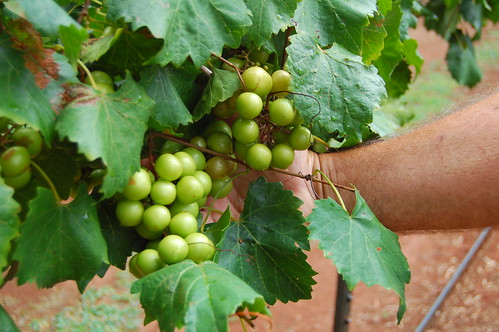
Organic horticulture can be a majorly relaxing hobby, or a joyous hobby. The following tips will assist you in this piece is sure to pave the way to organic horticulture success.
Pre-soak your seeds through the night in a dark place. This hydrates your seeds and help them to grow faster. The seeds will be better chance of surviving and grow up.
If you want to keep your garden free of pests, start with healthy soil! If you are producing healthy plants, they will be stronger and better able to resist bugs and diseases. To increase your garden’s likelihood of producing strong and healthy plants, use high-quality soil containing minuscule amounts of chemicals, which will eventually collect salts.
Protect your tender deciduous shrubs from harsh elements. Tie the tops tightly together, and loosely cover the wigwam with a blanket or sheet. This will work better than wrapping your plant with plastic, as it allows air to circulate, which prevents rotting.
Try “boiling” weeds in your garden with boiling water to get rid of them.Boiling water in a pot is a safe herbicide which won’t damage your garden or your body. Boiling water damages the weed roots of weeds and will inhibit future growth.
If you are planning on growing peas, consider starting them indoors instead of planting them outside. The seeds will grow better germination rate if you start them indoors. The seedling sprouts will be heartier, which means that they can better resist disease and attacks from pests. You could transplant the seedlings outside after they are sturdy enough.
If mildew is forming on your plants, you should not purchase an expensive chemical. Mix plain baking soda with a small bit of liquid soap and water. Spray this onto your plants about once per week or until it subsides. Baking soda will effectively remove the mildew without damaging your plants.
Choose one plant and make it the focal point. The focal points are those plants that really stand out from those that are adjacent.
Bees like it because it gives them nectar in the spring. Spiders, ground beetles, because heather beds are generally undisturbed. Keep this in mind and remember to always wear gloves when you prune your heather!
Your children will enjoy the experience of working with you in the organic gardening endeavors. A garden can provide a wonderful learning experience for children, and it gives you a chance to bond while producing healthy food.
Protect your deciduous shrubs which are tender. If you have a few potted shrubs, they should be shielded from the wintry weather. First tie together the tops; then take a sheet or blanket and loosely shroud the wigwam. This is a much better method, instead of putting the plastic wrap around the plant. It allows proper air circulation that can prevent rotting.
The ambient temperate of a room with live plants is between sixty-five and seventy-five degrees Fahrenheit during the day. The temperature needs to remain warm so the plants can grow. If you want to save money on gas bills in the winter, another solution you can utilize is to purchase heat lamps for your organic plants.
If you’re growing indoor organic plants, you have to consider the light that they are getting. If your windows are small or receive little light due to their positioning, you might want to look into growing plants that thrive in lower-light environments. You can also try using grow-lights for this exact purpose.
Coffee Grounds
Fertilizer is important when you garden. Manure can be very helpful in growing plants, but it is essential to use a commercial product that has been composted, in order to minimize pathogen risk. Many types of fertilizers are available. The type you utilize is not critical; just be sure to use one.
Add used coffee grounds to your garden’s soil. Coffee grounds add many nitrogenous nutrients to the soil that will utilize.
Spacing is an important factor in horticulture. You can easily underestimate how much space the plants need until they grow. Plan your garden carefully and put an appropriate amount of distance between the seeds.
Do you prefer to eliminate weeds naturally? Take layers of newspapers and use them for controlling weeds. Weeds can’t grow in sunlight.The layers of newspaper will kill the weeds won’t be able to grow. Newspapers tend to break down nicely over time to become part of the compost. You can cover the newspapers with mulch on top for aesthetic reasons.
Broad-spectrum pesticide is not a good garden choice. If your pesticide has too wide a range of targets, it can kill off useful insects that fight off other pests. The bugs you need are often more fragile than the ones you don’t: a pesticide could actually kill the beneficial insects while leaving the pests unaffected. This ends up becoming a vicious cycle of increasing pesticide use.
Organic horticulture is a more involved form of gardening than is often realized. While it takes quite a bit of effort and lots of patience, your pay off in the end will be a fantastic organic garden. The ideas presented above should help you hone your skills and reap a great harvest from your organic garden.
Choosing The Right Kind Of Plants For Your Garden

Organic gardens can be vital to your healthy diet, but understanding how it works can be hard. There are hundreds of organic seeds at your disposal. The following article will offer you get started in growing an organic gardening success.
Clay soil is hard and will also stick to a shovel, and can can stick to a shovel making it frustrating to work with.To make working in clay easier, apply a coat of automobile wax to your shovel first and then buff it lightly. The clay easily slides off of its surface while keeping the end from getting rusty.
Trying to shovel through clay soil can be extremely difficult and tiresome. Try applying a coat of wax onto your spade prior to working with clay soil, and then buff the spade head with a cloth. This causes the clay to slide rather than stick, and prevents rust as a side effect.
Plant some perennials that are resistant to slug and snail infestations. Slugs or snails can decimate a plant very quickly. These garden vermin prefer plants with tender, tender, and thin. Some perennials are not preferred meals for snails and slugs, especially if their foliage is hairy and tough, tough leaves or a taste that isn’t appetizing. Some of these plants include achillea, campanula, campanula, helleborus, and heuchera.
You do not need store-bought chemical solution to deal with powdery mildew in your garden.Mix a little liquid soap and baking soda into water. Spray this onto your plants once per week or so until you no longer see the mildew. This solution is perfectly safe for your plants and it will eliminate the mildew slowly but efficiently.
Transfer your favorite plants inside so they survive the winter frosts.You may be able to save your most beautiful or expensive ones. Dig the plant up without damaging the roots and place it a pot.
Before actually putting plants into your garden, check the type and compostion of your soil. An inexpensive soil report can be used to adjust soil nutrients to optimum levels, which will ensure your garden thrives. Cooperative Extension departments often offer this testing service. It is a worthwhile effort so a garden can be productive on the first year of planting.
Plants need CO2 grow to their maximum height. Most plants grow better with more CO2. The best way to get a high level of carbon dioxide is by growing them in a greenhouse.
When fall has arrived, you need to plant autumn edibles. A pumpkin can become a planting container for kale and lettuce. Once you’ve cut its top and scooped the insides out, spray the inside and edges with Wilt-Pruf to keep the pumpkin from rotting.
Try dousing weeds to get rid of them.Boiling water is a safe “herbicide.” Boiling water can hurt the weed roots and will stunt further growth.
Shelter your deciduous shrubs. Cold weather is very hard on these tender shrubs, and potted shrubs should be shielded and protected. Tie the tops of the canes together; then take a sheet and cover the wigwam loosely. Covering your foliage in plastic will let the air in – and may lead to decay.
Moisture on your plants is sure way to attract disease and disease. Fungi commonly afflict a very common and irritating pest in the world of plants. It is possible to get rid of fungi after it appears with anti-fungal sprays, but the key is to treat your garden before any problems arise.
Know the perfect time to harvest each of the vegetables you plant. Each type of vegetables has its own ideal time for picking for the most flavorful vegetable. For example, zucchini and baby peas have the best taste when you pick them early. Tomatoes, though, are best picked from the vine later when they are very ripe.
Gardening should be a relaxing hobby.There are a variety of ways that people find to relax. Horticulture is easily one of the easiest ways to spend your extra time. The generous return of a very minute up front investment of money required. The biggest dividend is the emotional satisfaction of planting and growing greens on your own garden.
Place a two inch layer of organic mulch at the base of your tall vegetable plants. The mulch will keep the soil around the plants moist a little longer. It also helps prevent weeds from growing. You will benefit by not having to spend so much time fighting weed growth.
Choose one plant to be a focal point of your garden. The focal points are those plants that really stand out from the others around it.
Ground Beetles
Bees like it because it gives them nectar in the spring.Heather beds are common grounds for helpful insects such as spiders and ground beetles, which is why helpful little critters like ground beetles and spiders call them home.Keep this in mind and remember to always wear gloves when you prune your heather!
Plant ever-bearing strawberries for your children in the organic garden. Children enjoy picking fresh fruit, especially if they can eat it right away.
Using plants which grow to the same height will make your bed look uniform.
Plant ever-bearing strawberries for your children. Children love to snap up these sweet juicy fruits for themselves and will be more willing to eat other foods you’ve planted as well.
Make the most of the time spent in your garden every day.Don’t waste your time searching high and low for lost tools. Prepare all of your tools prior to working in the garden, and put them away nicely when you are done. If you need, consider using a tool belt or even just some pants that have lots of pockets.
The ambient temperate of a room with live plants should be kept between sixty-five and seventy-five degrees throughout the day. Plants need to be in an environment that is neither too warm nor too cool for them to grow. If you think it would not be comfortable to keep your residence that warm in the winter, consider purchasing a heat lamp to use on the plants.
Organic Garden
In conclusion, having an organic garden is helpful in improving your healthy diet habits. Applying the advice of this article will hopefully help you cultivate a successful organic garden to fortify the healthy diet of your family.
You Can Be Successful At Organic Horticulture

Organic horticulture can be an every day part of your life, but figuring out how to prepare it properly can be a challenge. You also have a large variety of seeds that you can select from. The following tips should help you some helpful advice to meet with organic gardening success.
Select plants that produce a higher profits and yield.
The quick and drastic change in the weather conditions can shock your plants and cause them to die. It’s important that you gradually change temperate conditions over time, so that your plants can adjust. Leave them outside in sunlight for a couple of hours on the initial day. Gradually increase the the time they spend outside over a one week period. At the end of a week, they should be accustomed to the outdoors and ready to transition to outside safely.
Cover any wall or fence with lots of climbers. Many climbers can cover an unattractive wall or fence in a single growing season. They may grow up through some existing shrubs and trees, or even cover an arbor. Some varieties will climb and attach using their tendrils or branches, and others will attach themselves to any surface using their twining stems or tendrils. Some dependable types include honeysuckle, jasmine, jasmine, climbing roses, and climbing roses.
Don’t mow your grass too short!If you allow your grass to grow a little longer, the grass roots will get deeper, which makes the grass less prone to drying and other hazards. Short grass means short roots and turning brown.
Protect your delicate deciduous shrubs which are tender. Tie the tops tightly together, and place a blanket over it. This is more effective than putting plastic on the plant, as more air can circulate.
Turn the handles of your garden tools into measuring rulers. It is possible to utilize tools with long handles, such as rakes, hoes and shovels, as measuring sticks. After laying the handles on the floor, run the measuring tape along beside them. A permanent marker can be used to label distances. Now you will always possess a large ruler ready for your use in the garden.
A quality garden starts from the seeds and not from the plants. The environmentally conscious way to start a new garden is starting from seeds. The plastics used in nurseries are rarely recycled and ends up in landfills, that is why it is advised to use seeds or purchase from nurseries that make use of organic materials when packaging their plants.
Place a two inch layer of organic mulch at the base of your vegetables. Mulch will keep extra moisture and provide nutrients for your plants. It can also helps prevent the growth of weeds. You’ll find this is a ton of time if you won’t have to pull them later.
Plant items with fall season color in mind. Maple trees produce yellow and red leaves, and so are beech and dogwood trees. When selecting shrubs that will be colorful during the fall, consider hydrangea, hydrangea, or cotoneaster.
In the cold winter months, you can salvage certain plants by bringing them into the house. It’s a good idea to save any expensive plants or those that will thrive in indoor heat. Dig carefully around the roots and transfer the plants to a pot.
Do not rush when planting seeds in your garden. You need to start by moisturizing the soil. Seeds need to be buried about three times deeper than their own size. Some seeds you do not want to bury because they need light in order to grow.
Make the most of the time spent in your garden every day.Don’t waste your time looking around for your tools. Prepare them all ahead of time and have them handy before you need to garden, and put them away nicely when you are done.If needed, use a tool belt or even pants that have quite a few pockets.
Coffee Grounds
Make sure that you divide your irises! Increase your iris population when you divide up overgrown clumps. Lift the dead bulbous irises. The bulbs should split naturally, and the replanted bulbs will usually flower within a year. Divide rhizomes with a knife. Get rid of the center and keep the new pieces you cut from the outside. Each piece needs one strong offshoot. Replant right away.
Add coffee grounds to your garden soil. Coffee grounds contain many of the essential nitrogenous nutrients that plants will utilize.
Do you prefer to eliminate weeds naturally? You need to have many layers of newspapers. Weeds can’t grow in sunlight.The layers of newspaper will kill the weeds won’t be able to grow. Newspapers break down into compost nicely.You can add a mulch on top so that it looks more attractive.
When you run your personal organic garden, try lightly petting your seedlings — either with the palm of your hand or something like a sheet of cardboard — once or twice each day. This sounds like total nonsense, but research has proven that doing this will help your plants grow bigger than if they were not petted at all.
When gardening, don’t use any broad-spectrum pesticides. These types of pesticides also kill the beneficial insects that eat the pests. These helpful bugs are usually more sensitive to the chemicals than the pests, so if you find yourself in a situation where the good bugs are dying out, you can expect the pest problem to grow. As a result, gardeners often have to resort to using more toxic pesticides to get rid of garden pests.
Treated Wood
Create a raised bed for your garden out of stone, brick or untreated wood. Choose wood that is resistant to rot and is untreated. Some good choices include locust, cedar, and cypress. In order to avoid toxic substances from getting into the ground and perhaps into your vegetables, don’t use treated wood since its chemicals can leech into the food crops and soil.If you have to use treated wood, at least take the time to make a plastic lining beneath the soil.
The bulbs are ready to harvest when the tops turn brown.
Seeds that have sprouted don’t require the extra warmth that was needed before they sprouted. Sprouting plants can be removed from the heat source. If you used plastic wrap to insulate your seedlings, you should now remove it. Keep a close watch on your seeds to know when to do this.
When buying tomato seedlings for the garden, avoid the ones with a bad root system or green starts. These starts will stick to the seedlings for quite some time, inhibiting their growth.
Try planting your organic garden a beautiful shade garden. You might be interested to know that gardens are very low maintenance. They also require a lot less watering, which saves a lot of work and time. The plants also grow slower, but this also means less weeds.
Organic Garden
When the time has come to gather up the produce, you need to use an old laundry basket. The basket will make a great strainer when you wash your vegetables. Rinse the produce while it sits in the basket, the extra water will go through the holes in the basket.
As you read, an organic garden can be incredibly important to your current and future dietary habits and so is understanding all the different kinds of plants you can grow. The tips in this article will set you on the right path to a successful organic garden, that provides healthy food for your family.
Sound Horticulture Advice On Proper Organic Horticulture
A garden makes a home look great but does even more than just a way to decorate. It is even more than a hobby or pastime. The effects can be especially profound if you’re good at it.
Pre-soak seeds overnight in a dark area. This will keep your seeds and jump-starts their growth. This gives the seeds a much better chance to survive and mature.
Make garden tools do double duty as handy makeshift rulers. Tools that can be used for more than one task are quite handy to own. Put the handles down and measure them with a measuring tape. Label the distances using a permanent marker. Now when you go garden the next time, you’ll have a giant ruler at your command.
Knee Pads
Knee pads are a garden with plenty of low-growing plants.Having a pair of knee pads for horticulture can help cushion the knees to provide additional comfort.
Do you love fresh mint leaves though hate how they grow to take over your entire garden? You can stunt the growth by placing them into a container or super-sized bowl. If you prefer, simply plant the container, and the leaves will stay within the boundaries of the pot.
If your plants do not grown very tall, try buying some knee pads used for gardening. Long hours spent in the garden will wreak havoc on your knees. You can be more comfortable in the garden with a good pair of gardening knee pads.
Fertilizing your garden soil.Manure is very effective in helping plants grow, but it is important that you choose a manure that has been composted commercially so that there is less of a risk of pathogens.
If you want to grow peas, start them indoors before putting them in the ground outside. The seeds will have a better in your home if planted there first. The seedlings will also be heartier, giving them a better chance to grow into a healthy adult plant capable of rebuffing diseases. You could transplant the seedlings outside after they are sturdy enough.
Learn the best harvest time for harvesting your vegetables. Each type of produce has its own prime time for harvesting. For instance, baby peas and zucchini taste best when they are picked young. Tomatoes, in contrast, should be plucked from the vine the moment they appear ripe.
Think about using evergreens in your yard that produce berries during the year. These evergreens will color your lawn, even when other flowers are not blooming. Plants that provide instant winter color include Holly, Winterberry, American Cranberrybush, and the American Holly.
Pest control is very difficult if you have a veggie garden. One way that you can help control gardening pests is to be vigilant. If you catch pests early, the easiest way to eradicate them is to pick them off plants by hand.
Chamomile tea applied to plants can be used as an effective fungicide for potted plants.
Your children will enjoy the experience of working with you in the organic gardening endeavors. A garden can be a great learning experience for your children, and will give you an opportunity to bond with them while you produce healthy food.
Grow heather so that you can attract useful insects. Bees are drawn to heather, as heather is an early provider of spring nectar. Spiders, ground beetles and other insects helpful to your garden tend to live in a heather bed, because heather beds are generally undisturbed. Always remember this, and wear your gardening gloves if you prune your heather!
If you choose to use organic methods to care for your houseplants, you have to consider the light that they are getting. If you want indoor plants, find plants that can grow in medium or low-light environments. You can also consider using artificial lighting to help.
Spacing is one of the primary considerations when planting an organic garden. It can be easy to underestimate how much space your plants will take up once they begin growing. Plan accordingly and leave enough space between the seeds.
Use an old laundry basket to help you collect produce from your vegetables and fruits. The basket can be used as a great strainer when you wash your produce.
When you are working in your garden, you will want to have all of your tools in a convenient location. If it takes you thirty minutes to find a needed tool, then you are doing something wrong. Prepare all the tools you need before you go out to work on your garden, and put them away nicely when you are done. Even something like a carpenter’s tool belt or some cargo jeans work well to keep tools organized.
If you’re planning on adding some tomatoes to your garden, wait three weeks between planting each set. This helps the entire harvest from being ready at any given time.
It only take a few steps to create a great perennial garden. Use the spade to get under the turf, turn them, and then apply a layer of wood chips that is several inches deep. Wait a few weeks before planting perennials into the new bed.
The best option available to water your organic garden are soaker hoses.
Pine mulch can be highly effective under the right conditions. Some plants are more acidic, and prefer soil that contains higher acidic levels. If that’s the case, the easiest thing to do is use pine needles for beds. Cover your beds with two inches of needles; acid will be dispersed into the soil as they decompose.
Try making your organic garden in the shade. You might be interested to know that these gardens are relatively easy to maintain. They don’t require as much watering, and not much work or time. This does make plants grow slower, and there will be a lot less weeds to eradicate.
Know exactly what varieties of plants you want to put in your organic garden. Different variations of a particular flower or vegetable need different kinds of environments. For example, there are many kinds of roses and some will work in your garden, but some will grow and bloom in your garden whereas others won’t. Make sure you find varieties that fit into your horticulture situation.
There are all kinds of plants that you can plant in your organic garden. Mulch is a must-have for plants that need acidity to thrive. These types of plants need to be mulched with thick layer of pine needles during fall each year.
Ruffle the seedlings carefully with a piece of soft cardboard or your hands twice a day. While it seems a little odd, it has been reported that this can encourage plant growth.
Know when to buy plants that you will use in your organic garden. This is especially important when you are buying annual or perennial plants. You must see to it that are budded but not the ones that are blooming. This will enable them to start growing strong root systems in the garden.
Water is a healthy garden. On very hot days, all the water in your garden’s soil can be evaporated by the sun’s heat, so a person has to make sure they are keeping the garden watered. A good watering habits.
Some annuals are better suited to colder temperatures. These plants can become a bit leggy and need to be trimmed if they are growing too much during these months. Annuals that do best in cool weather include snapdragons, snapdragons and dianthus.
Gardening is a good way to connect with nature, but organic gardening remains the best way to observe natural cycles. You will learn how to care for you plants from planting the seeds to harvesting your delicious vegetables.
Use the information from this article to bring your garden to life. You will be overjoyed to know that your plants are healthy! Horticulture could become your new hobby and be a real source of happiness for you.
Interested In Organic Horticulture? Read These Tips!

One of the best ways to improve your diet is through organic garden. It does require some effort, in order to grow, require a great deal of effort to grow. You may be curious as to how to start the organic garden on your own.
This insures that the chances of the plants can survive to adulthood. This also gives you the freedom of tightening time periods between each planting. Your next crop of seedlings will be ready to be planted when you remove your last crop from the garden.
If you see mildew that is powdery, stay away from expensive chemicals to treat it. Rather, you should mix a bit of baking soda with a small quantity of liquid soap in water. Spray this on your plants once a week until the mildew disappears. Baking soda is a good way to get rid of mildew on your plants gently.
If you are horticulture, watch out for stink bugs, especially in the autumn. They like fruits, as well as peppers, tomatoes and all kinds of fruit varieties. If left unattended, these pests can damage the garden, so you need to proactively keep their population under control.
Knee Pads
Get some gardening knee pads if you have low-growing plants. Having a pair of knee pads will cushion your knees in comfort.
Plant some wheat grass or cat grass near where you car tends to nibble in your garden. You can also try to offend the cats sense of smell with orange rinds or mothballs.
If you’re going to grow peas, begin the plantings inside instead of outside. The seeds will have a better in your home if planted there first. The seedling may also be hardier, which means they can resist pests and diseases better. You could transplant the seedlings outside after they are sturdy enough.
Think about berry-producing evergreens into your landscaping. Plants which you can purchase that offer color during the winter are the Winterberry, Winterberry, American Cranberrybush, and the American Cranberrybush.
Know the perfect time to harvest the vegetables you plant. Every vegetable has a different moment of ripeness.For example, zucchini and baby peas will taste a lot better if you pick them when they are young. Tomatoes, in contrast, are best picked from the vine later when they are very ripe.
A simple way to lower the alkaline content of your soil is to dilute it with coffee grounds. This is an easy and inexpensive method to increase the acidity of your soil. Balanced soil will produce more flavorful, crisp vegetables and greens.
Wear a hat, and make use of sunscreen. Protecting yourself from harmful UV rays means you are less likely to get sunburned or suffer skin cancer.
Plant strawberries for your children in the organic garden. Children will be much more willing to help you if they can pluck their own fruit from the garden.
Keep your garden tools handy to work more efficiently.
For weeds that aren’t in the middle of your plants, use boiling water to kill their roots. The safest herbicide that you can use in your garden is a simple pot of boiling water. Just pour out the water on the weeds being careful to avoid any nearby plants. Boiling water damages weed and plant roots, so be sure to avoid the plants you don’t want to eliminate.
This will also gives your flower beds a more aesthetic aspect.
Make the most of the time spent in your garden every day.Don’t waste thirty minutes searching for a tool. Prepare all the tools you need before you go out to work on your garden, and then put them away neatly when finished. If you use lots of tools, purchase a tool belt or heavy duty pants with plenty of pockets.
Some typical examples are petunias and petunias. If you are wondering whether or not the seeds require direct sunlight, check the seed package or search online for the information.
You should get a wheelbarrow and a kneeling stool for garden work. Spending lots of time close to the ground while working tends to be hard on your knees, that is why it is important to have a portable and lightweight garden stool that you can use for comfort. Also, gardening can involve a lot of heavy lifting and moving items, therefore a robust wheelbarrow can make that aspect much easier.
When you run your personal organic garden, lightly brush over them using your hand up to twice a day. It may sound a little odd to do this, but research has shown that handling the seedling like this often will make them grow bigger than seedlings that are ignored.
If you sell your crops and label them organic, you will need to receive an organic gardening certification. This should boost sales and tell loyal customers that you’re providing the best to them.
Add mulch to your soil healthy. The mulch acts as a protection for the soil underneath it. Mulch will keep the soil is kept cool on hot days and protect your roots. This helps soil keep its moisture by reducing the time in which it evaporates. This will also help control any weeds.
Asprin will actually help your plants out by killing diseases. One and a half aspirin, dissolved in two gallons of water, can be a great addition to your plants. The solution can then be used to spray the entire plant, and will offer protection naturally. The process can be repeated every three weeks or so.
You can skip watering because of the pending weather.
An important tip for organic gardeners is to raise crops that costs a lot to purchase at the grocery store. The worth of each plant is not an objective thing.You can actually save money by growing plants and vegetables. Plant foods you love to eat.
You should build a tent over your organic garden during winter. Then, throw some sheets over them, and use bricks to keep the edges held down. This simple tent to ensure that you save your crops won’t be damaged during the winter months.
Try to keep plastic bags on hand to cover shoes that are muddy. This helps the flow keep going so that you can get into the garden quickly to finish what you’re doing.
Mulching is effective for a garden. Mulching also works to slow water evaporation in your soil and it keeps the weeds away.
When you are thinking about planting a garden, consider the vegetables that you most commonly use in the kitchen. This can reduce your food bill every month and allows you to use everything you grow. Don’t bother wasting time on growing vegetables that your family doesn’t enjoy.
Dwarf Fruit
If slugs are problematic in your garden, you can use an all-natural beer trap to do away with them. Bury a single glass jar with the open mouth level with your soil in the garden. Next, fill up the jar with beer until there is around one inch between the liquid level and the jar top. Slugs are attracted to the beer and become trapped in the container.
Dwarf fruit trees are an option for a small garden. Many areas only allow for small gardens, but have plenty of space for miniature versions like the dwarf fruit tree.These trees will bear full-sized fruit in about four years from planting.
Some plants benefit from being re-potted, while others won’t do nearly as well. To see whether a plant needs more growing room, turn them upside down and tap on the pot until the plant falls out. If the roots you see are minimal, your plan is just fine in the current pot, there is no need to upgrade the pot size.
Some annuals are hardier in the colder temperatures. These plants can become a bit leggy and need to be trimmed if they are growing too much during these months. Annuals that do well in cool weather are dianthus, dianthus and snapdragons.
Take some time to carefully plan the items to include in your organic garden. Different varieties of a particular flower or vegetable require different types of environments. As an example, take the beautiful rose bush. There are hundreds of variances available and while some will do well in your garden, others won’t. So you want to make sure you find ones that are suited for your organic environment.
In conclusion, creating and maintaining an organic garden requires hard work, effort and research. You will get great results if you are consistent and patient. Keep the above advice at hand and you too can excel with organic horticulture.
Why Gardening Is Good For The Soul
Organic gardening is also cheap for the most part. Here are some strategies to aid you well on your way to being a good organic gardener.
Plant bulbs if you want flowers through spring and summer flowers. Different bulbs bloom at various times, so if you choose appropriately, you may have blooms early spring to later summer.
Shoveling clay is very difficult and lots of work because the clay is hard and sticks to the shovel, making it tough to handle. Rub a thin layer of floor or car wax over the surface of the shovel, and then buff the surface using a clean cloth. This will make shoveling in clay soil easier. You will be able to work with the clay more easily, and it will not stick to your shovel.
Pre-soak your seeds through the night in a dark place. This will keep seeds hydrated and facilitate growth. This increases the seeds a better chance of successful plant development.
Moisture on your plants is a sure way to attract parasites and illness. Fungi are a number of horticulture. It is possible to control fungi with sprays, but it’s better to spray at-risk areas before fungi appear.
You should divide your irises. You can increase your stock of irises by dividing the overgrown clumps. The bulbs split in your hand, and after you replant them, they will usually flower the following year. You should divide rhizomes with a knife. Cut several new pieces out of the outside and get rid of the remaining center. Each piece should have at least one healthy offshoot. Replant your pieces as soon as you have finished the cuttings.
Prior to planting anything in your garden, check your soil. There are soil testing services that can analyze a garden’s soil content for a small charge. With those results, it’s then possible to refine and supplement the soil to make it as fertile as possible. It is worth having this information so that crops do not get ruined. Most Cooperative Extension offices provide this service.
A great garden should start from seeds and not plants. The most “green” way to start a new garden is to start with seeds. The plastic used in nurseries often end up in landfills, so it is best to start with the seeds or buy from nurseries who use organic materials in packaging their plants.
If you are gardening for the first time ever, follow all the guidelines and rules on your chemicals and tools. If you fail to do this, you could cause unnecessary skin irritations, the most common of which is irritated skin.Keep yourself safe and always follow the directions to the letter.
Pest control is very difficult when dealing with your veggie garden. One way to control gardening pests at bay is to remain diligent about your garden. If you happen to notice them early on, the easiest way to eradicate them is to pick them off plants by hand.
Remove your garden’s weeds! Weeds can take a promising garden and turn it into a shell of its potential. For this task, try using white vinegar. You can use white vinegar to eliminate weeds! Keep a solution of vinegar diluted with water on hand to spray on weeds.
Chamomile tea is effective fungicide for potted plants.
Choose one plant to use for a focal point. The focal points are those plants that really stand out from those that are adjacent.
Bees will go straight for these plants in the springtime.Spiders, ground beetles, because heather beds are generally undisturbed. Keep this in mind and remember to always wear gloves when you prune your heather!
Plant some wheat grass or cat grass near where you car tends to nibble in your garden. Additionally, use your cat’s keen sense of smell to your advantage. Citrus fruit peels and mothballs both smell horrible to cats, so put them on the soil near the plants your cat likes to eat.
It is essential to keep your knees protected as you are horticulture. Many people experience back pain and stiffness from bending over for extended periods of time. Kneeling down on the ground is a more comfortable way to reach your plants without causing stress to your back. You can kneel on a knee pad for gardening in order to protect your knees are more comfortable.
If you are growing plants organically indoors, you should bear in mind that certain plants require more sunlight than others. If the garden will receive little sunlight, a plant that requires little sunlight will be more comfortable and healthy. You can also try using grow-lights for this exact purpose.
Do not rush planting seeds. You should start by adding moisture to the soil.Seeds need to be buried about three times the seed size. Some seeds should not want to bury because they require light to grow.
One way to correct your soil’s alkalinity is by amending your soil with used coffee grounds. Using coffee grounds is a less expensive way to make your soil more acidic than trying to replace your topsoil. This simple act can lead to vegetables that taste better and look more appealing.
Coffee Grounds
Coffee grounds work great addition to soil. Coffee grounds are full of essential nutrients that growing plants need.
Try to avoid letting your organic garden at least a short time each day. If you can’t get out in your garden every day, there are some small steps you can take to not have all that work build up on you. For example, snatch out a weed or two whenever you pass by the garden, you could clear a few bunches of weeds between checking on the burgers.
Think about adding some berry-producing evergreens to your landscaping. This will keep your garden colorful, even during those months when other plants are not growing. Some plants provide color during the winter like the Winterberry, and American Holly, the American Cranberrybush and the Common Snowberry.
Create a raised bed for your garden out of stone, brick or untreated wood. Choose wood that is resistant to rot and does not contain any chemicals.Good choices are cypress, locust and cypress. In order to avoid toxic substances from getting into the ground and perhaps into your vegetables, don’t use treated wood since its chemicals can leech into the food crops and soil. If you are already using treated lumber, you can still use it, or a different barrier, in order to protect your garden.
Add mulch to keep your garden to improve the vitality of the soil.The right amount of mulch acts as a protection for the soil under it. Mulch will keep the soil at an ideal temperature and protect your roots. It will also keeps soil from losing it’s moisture in the hot sunlight. This will also help control any weeds.
You can easily make a newer garden for perennials with a few steps. Use the spade to get under the turf, turn them, and then bury the whole area under a thick layer of wood chips. Wait a few weeks and then plant your perennials into the new bed.
Pay attention to how much light your indoor plants are getting. If you’re living in a home that doesn’t receive much sunlight, you should consider growing plants that thrive in environments with low to medium amounts of light. If you simply must have a plant that has higher requirements for sunlight, you can use indoor UV lamps.
There are all kinds of plants that you could grow in an organic garden. Mulch is the friend of plants that require acidic conditions.These kinds of plants should be mulched with a thick layer of pine needles around fall each year.
Putting the advice you just learned to use in your organic garden will help you realize several benefits, including having healthy plants and a reduction in toxins. You should notice more wildlife present in your garden if you use natural methods.
Helpful Gardening Tips Blooming Now

Organic horticulture is a great way to grow your own food at home and relaxing activity in which anyone can participate. But, if you’re just getting started, they may feel overwhelmed. How can you begin to learn about organic gardener? Read this article, of course!
This boosts the chances of the plants growing until adulthood. This method also reduces the freedom of tightening time periods between each planting. Your next crop of seedlings will be started and ready to be planted when you remove your last crop from the garden.
Choose plant strains that will give you the best harvest with the biggest yield. In most circumstances, a cold-tolerant or disease-resistant hybrid will have a higher yield when compared to a more traditional variety.
Plant some perennials that are resistant to slug and snail infestations. Slugs and snails can kill a plant very quickly. These garden vermin prefer plants with tender, herbaceous stems and leaves, and thin. Perennials that have thick, tough leaves as well as those with unpleasant taste are not appetizing to snails and slugs. Some varieties of these plants are campanula, campanula, euphorbia, and heuchera.
When you’re out and about in the garden, be sure to look closely for stink bug infestation, keep an eye out for sink bugs. They love to inhabit peppers, beans, beans and tomatoes. If you don’t take care of them, your garden could be ravaged by these bugs, so you should do whatever you can to eliminate them.
When mowing your lawn do not cut it too closely to the dirt. If you leave more height to your grass, roots be able to grow more deeply in the soil, which makes the grass less prone to drying and other hazards. Short grass means short roots and turning brown.
It is important to choose the right type of soil if you want to achieve the best results. Different types of plants require different soils, so check soil requirements for the ones you choose. You can also make an artificial plot with just one type of soil.
Make sure to protect any tender shrubs from the elements. Tie the tops together, and place a blanket over it. This method is preferred to wrapping a plant in plastic, because it will allow air to circulate.
Do you love fresh mint leaves though hate how they grow to take over your entire garden? You can stunt the growth by placing them into a pot or container. If you prefer, simply plant the container, but the pot’s walls will prevent the mint from spreading and being a nuisance in your garden.
You should divide your irises.You can get more irises by dividing up overgrown clumps. The bulbs, and once you put them back into the earth, will often flower the next year. You can divide rhizomes by utilizing a blade. Cut healthy pieces from the center out the dead center. Each piece you cut should possess at least one healthy offshoot. Replant your cuttings immediately for the cuttings.
When the fall season approaches, you must prepare to plant your favorite fall veggies and other edibles. Try planting your fall veggies, especially leafy greens, inside of a pumpkin! Use some Wilt-Pruf to prevent your pumpkin from decomposing and then you can put your plants right inside. Once you’ve done that, you can plant!
It is important to protect your knees protected as you are gardening. Many people can not bend over for extended amounts of time while they are standing up. Kneeling is a good way to get to your plants while minimizing back pain. You can use knee pads to kneel without the ground.
If you have a cut, make sure that you adequately protect it from dirt and chemicals. A cut will likely become infected if it’s exposed to a lot of dirt when gardening.
It can be extremely fast and easy to prepare the soil in a perennial garden. Use a spade to dig into the turf, then flip each piece over, and spread wood chips on top to a depth of four inches. Let the area sit for a fortnight, then begin digging into it and planting your new perennials.
To be most efficient in your gardening, always keep your tools close at hand. Put them into a basket you carry with you, or use an apron with many pockets and hanging loops. Tools you’ll need to garden efficiently include towels, gloves, pruning shears and other plant-specific tools.
Space is important when planting an organic garden. It can be easy to underestimate how much space that the plants will need once they begin growing. Plan your garden carefully and leave enough space between seeds.
Don’t let all the chores in your organic garden pile up. Even if you end up being too busy to do garden chores every day, you can try little things that will prevent you from having a lot of work when you return to your garden. For instance, pull a few weeds if you’re outside and waiting for your dog to finish his business.
Organic horticulture can be more difficult than horticulture with chemicals, but the payoff in the end is well worth the work. While the chemical companies claim great benefits, growing organically is a great reward to whomever eats your produce.
In your flower beds and garden, utilize a few inches of organic mulch. This fights weeds, retains moisture, and gives your garden valuable nutrients. This will also make your flowers appear beautiful and finished all year long.
One of the most wonderful things about buying food that is organic is that commercial pesticides are not used. This is great for the health of your family, but you ought to double check for pests.
Horticulture is a good way to connect with nature, but organic horticulture takes it a step further by using earth-friendly methods.
Botanical Insecticides
Add more value to your property. Landscaping is a cheap way to really increase the value of your property. Certain plants could increase the value by 20%. Be sure to choose plants that will thrive in your yard, taking into account soil and climate conditions.
Research local botanical insecticides which can help keep any pest population. Natural insecticides are often more powerfully than synthetic pesticides. However, botanical insecticides may not last as long because of their biological makeups, they often decay and disappear quickly.
This article should give you a good idea why organic horticulture is a great activity. Having a properly grown garden can be fun and relaxing. Use these tips to see your garden flourish!
Great Organic Horticulture Tips That Will Help You Out
Organic produce tends be both healthier and nutrients.You can grow your own fruits and vegetables instead of getting them from the supermarket. Keep reading to learn how you can construct an organic horticulture.
Clay soil is hard and will also stick to a shovel, and can can stick to a shovel making it frustrating to work with. To make your digging project easier, rub the shovel with floor or car wax and then buff it with a cloth. The clay will slide off the surface while keeping the end from getting rusty.
Be sure to weed your garden. Weeds can truly ruin a good garden. Try using white vinegar to get rid of weeds. It can kill weeds. By placing a white vinegar solution in a spray bottle, you can spray the weeds away instead of having to pull them out manually.
This boosts the chance that the plants growing until adulthood. It also permits you have tighter control over the planting periods in your garden. Your seedlings will be ready to be planted when you remove your last crop from the garden.
Healthy Soil
Having healthy soil in your garden will help your number one defense against pests! Healthy soil leads to healthy plants with more able to resist both pests and disease. To boost your garden’s prospects of giving you the healthiest possible plants, start with a high-quality soil that has fewer chemicals which over time will accumulate salts.
Consider growing wheat grass or cat grass near the plants your cat enjoys eating. Alternatively, you can try putting mothballs, citrus peel or anything else with an odor that cats find distasteful in the soil surrounding the plants.
Plants all need to take in CO2 to grow well. Plants will not thrive if they don’t have an adequate amount of CO2 are present. The best way to expose your plants to a saturated level of carbon dioxide (CO2) is to use a greenhouse.
Bulbs are a great option for people who want to enjoy in early spring and right through the summer. Different bulbs bloom at various times, so if you choose appropriately, you can have blooms from early spring to late summer.
Pre-soak seeds through the night in a dark place. This will keep your seeds to be hydrated and get a head start when growing. The seeds will now have a greater chance at lasting and blossoming.
Get a wheelbarrow, and a stool so that you can kneel down while gardening. Spending a lot of time near the ground working is very hard on the knees, so a lightweight and portable garden stool will make gardening more comfortable. Gardening involves moving heavy objects and dirt, so a wheelbarrow makes for a wise investment.
Knee Pads
Get some gardening knee pads if you have low-growing plants. Having a pair of excellent knee pads for horticulture can help cushion your knees in comfort.
Chamomile tea can be an effective treatment against fungus problem within your garden.
Don’t count the fall season out. It’s not necessary to think this way, however. the most colorful foliage appears in the fall. Maple trees, Dogwood, and Beech trees exist in lots of Fall colors that range from deep crimson to yellow. When selecting shrubs, consider barberry, hydrangea, or cotoneaster.
Bees like it because it gives them nectar in the spring.Heather beds are common grounds for helpful insects such as spiders and ground beetles, which is why helpful little critters like ground beetles and spiders call them home. Keep this in mind and always wear appropriate horticulture gloves.
When you are cultivating an organic garden inside, considering how much light the plants will receive must be emphasized. If the room you wish to grow them in faces in a direction that gets little light, think about cultivating plants that do well in lower lighting situations. You can also consider using grow-lights for this exact purpose.
Tool Belt
Your children will enjoy the experience of working with you in the organic garden. Growing a garden is a great way to teach your children about nature while allowing you to have time to bond with them.
Make the most of the time spent in your garden every day.Don’t waste thirty minutes looking for missing tools. Prepare all of your tools prior to working in the garden, and put them away nicely when you are done. If you need to use a tool belt, consider using a tool belt or even just some pants that have lots of pockets.
Space is very important when planting an organic garden. It can be easy to underestimate how much space that the plants will need once they start to grow. Plan accordingly and leave enough space between the seeds.
Use a laundry basket to help you want to collect your produce. The laundry basket will function as a perfect strainer for any produce run off.
Avoid allowing chores in your organic garden stack up. While you may not be able to spend a lot of time every day in your garden, even little items done daily will stop the mountain of work from growing. If you are outside with your dog, pluck a few weeds while your dog is taking care of his business.
When you are growing seedlings in your organic garden, try ruffling seedlings using your hands or cardboard one or two times daily. While it might sound strange, it has been reported that this can encourage plant growth.
Fill the jar with beer within one inch below the jar’s top. Slugs will be attracted to the beer and become trapped in the jar once they enter.
If you’re planning on selling crops to people and labeling them as organic, you should look into obtaining a certification proving that you are an organic garden. This will up your sales and prove to your loyal customer base.
One odd but apparently useful tip for growing organic plants, is to lightly brush your plants with your fingers or a piece of cardboard 1-2 times a day. This may sound strange, but research has proven that doing this will help your plants grow bigger than if they were not petted at all.
Add mulch to keep your garden to improve the vitality of the soil.Mulch can help protect the ground it sits upon. Mulch will ensure your soil is kept cool on hot days and protect the roots. This will ensure your soil stays moist by reducing the rate at which it evaporates. It will also very good at controlling the weeds.
You can easily make a newer garden for your perennials with a few steps. Use the spade to get under the turf, turn them, and then bury the whole area under a thick layer of wood chips. Wait a few weeks and then plant your perennials in the new bed.
Think carefully about what you need to use while getting ready to garden. Try using organic alternatives to the typical chemical fertilizers. A great example to use compost.
Grow garlic in your organic garden. You can place garlic cloves directly into the moist, fertile soil during spring or autumn months. Plant them approximately 4 inches apart at a depth of 1 or 2 inches beneath the surface of the soil with the pointed end facing upward. Garlic stalks can be used as they grow for chives or scallions in any recipe. The bulbs of the garlic are ready for harvesting when the very tops of them begin to brown. Allow the sun to dry out the bulbs for a few days until the skin gets hard. The garlic should be stored out of direct sunlight in a cool, dry place.
Stop wasting your money on produce that isn’t up to standard. Use the tips offered here and you can produce your very own vegetables and fruits.
Make Your First Organic Garden A Success
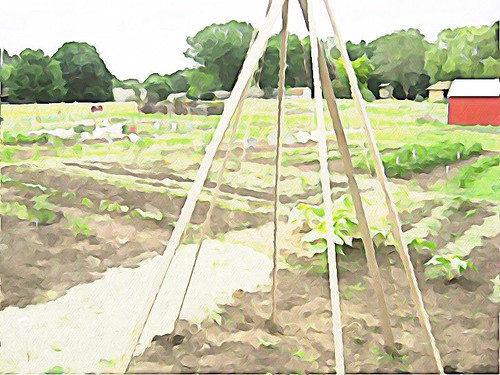
Organic gardening is something that many families want to do but never actually try to accomplish.
Having healthy soil in your garden is your plants avoid insect pests.Healthy and well-nourished plants and healthy plants can fight off diseases with ease. To boost your garden’s prospects of giving you the healthiest possible plants, start with a high-quality soil that has fewer chemicals which over time will accumulate salts.
If you have any mildew on the plants, do not go out and buy anything. Plain water with a bit of liquid soap and baking soda will do the trick. This solution can be sprayed onto your plants once per week until the problem is resolved. The baking soda is harmless to your plants and a very effective remedy.
Use climbers if you want to cover any fences and walls. Many climbers are so robust that they can cover the wall or fence in a single growing season. They can grow through shrubs and trees, or you can train them to cover your arbor. Some varieties of these plants will have to be tethered to some sort of support, but some climbers use twining stems or tendrils and attach themselves to those surfaces. Some climbers that have proven to be reliable are honeysuckle, clematis, jasmine, clematis, and climbing roses.
Mint Leaves
Do you love fresh mint leaves grow and take over your lovely garden but still like them? You can control their growth of the mint leaves by placing them in a large container rather than in your garden. If you prefer, you can even place the container in the ground, and the leaves will stay within the boundaries of the pot.
Fall edibles are a wonderful addition to your garden. A pumpkin makes a great container, and costs less than a clay pot. You simply need to cut off the top, scoop out the guts, and spray your pumpkin with Wilt-Pruf. After you have finished this, you will be ready to start planting.
Fertilizing your garden soil. Manure can be effective, although it is important to use a commercially composted product to minimize the risk of pathogens.
You can keep pests from invading your garden by using other plants or natural materials. Slugs can be kept at bay with a patch of marigolds or marigolds. Using these methods eliminates your need for potentially harmful chemical pesticides.
Chamomile tea is effective remedy for fungus problems.
Do you enjoy fresh mint, but don’t like how they engulf your garden in their growth? Keep your mint growth under control by planting them in pots and/or garden containers. The container can be planted in the ground, and it will still prevent the plant from dominating the garden.
Plant with fall color. Maple, beech, varying from bright yellow to rich crimson.When selecting shrubs, consider hydrangea, barberry, or cotoneaster.
Your children can help you with your organic horticulture endeavors. A garden can be a great learning experience for your children, and will give you an opportunity to bond with them while you produce healthy food.
When you are growing organic plants within the home or an enclosed area, it is vital to keep in mind how much light is reaching them. If you’re living in a home that doesn’t receive much sunlight, it makes sense to grow only those varieties meant to thrive in such environments. You can also try using grow-lights for this exact purpose.
Start your peas in a protected indoors environment rather than outside. If you were to plant them inside first, the seeds should germinate better. They will also be healthier and hardier, allowing them to better resist pests and disease. You will be able to transfer the seedlings outdoors after they become better established.
Keep your garden tools handy to work more efficiently.
Try to avoid letting your organic garden at least a short time each day. Even if you’re to busy to focus on your garden’s needs each day, do small tasks that will help you avoid having to do large tasks when you finally do have time. For example, snatch out a weed or two whenever you pass by the garden, you could clear a few bunches of weeds between checking on the burgers.
Fill the jar with beer to an inch lower than the jar’s top. Slugs are attracted by the beer and become trapped in the jar once they enter.
To defend your garden from errant dogs, spray something with a strong scent, including aftershave or old perfume around the perimeter of the garden. This will help mask the scents that attract your dog, and will make your garden a less interesting place for your pet to be.
You may be able to skip watering for an entire day if rain is on the way.
Research botanical insecticides which can be purchased locally to aid in deterring the pest population. These natural insecticides can often be more effective than their chemically engineered pesticides. However, due to their biological makeup, they often decay and disappear quickly.
Think about what you need to use on your garden. Try to use natural alternatives instead of the chemicals you normally use. Compost is a great example of fertilizer.
Be efficient when working in your garden. Don’t waste your time by looking all over for your tools. Prepare all the tools you need before you go out to work on your garden, and put them away nicely when you are done. Even something like a carpenter’s tool belt or some cargo jeans work well to keep tools organized.
When it’s time to dig a hole for a shrub or a tree in an organic garden, try digging an ugly hole to plant them in. If the sides of the hole you dug is packed hard by the shovel, then it may restrict the root from penetrating into the nearby soil.
There are all kinds of plants that can plant in your organic garden. Mulch is a must-have for plants that need acidity to thrive. These types of plants need to be mulched with a thick layers of pine needles during fall each year.
A safe and effective way to deter bugs from your organic garden is to plant garlic in a few places. The smell will repel many destructive insects. Be sure to plant them in an area that is going to be near other plants that are a little more prone to being attacked. A side benefit of placing the garlic is that it is edible.
Make sure you consider adequate spacing when planting your garden, so that each plant is given room enough to grow and flourish. You will most likely underestimate how much space plants will need as they grow. You need to take into account the plant’s size when it is fully grown, as well as allowing space for air circulation between each plant. Think ahead and give each plant room for expansion, by properly spacing the seeds.
Use barrels to trap the water for your garden. This saves you from paying for extra water to do your garden. You will also find that your plants thrive on rainwater.
Making compost is a great way of obtaining fertilizer. An easy way of making organic fertilizer is with a small worm bin for composting. Red wiggler worms, some dirt, kitchen scraps and shredded newspaper will be a good base for your compost bin.
Hopefully this article has taken all of your apprehension about organic gardening completely out of the equation. Start applying some of the tips presented above, and in the near future, you could have your very own productive organic garden.
While organic gardening costs more and requires more effort, the produce that will come out of your garden will be healthier for you. While chemical-based gardening products make bold claims, it is hard to dispute that organic gardening consistently produces superior results.
Advice For Keeping Your Garden Looking Great

Organic gardening is capable of not only bringing about relaxation, or a very relaxing hobby. The following collection of tips will assist you in becoming an accomplished organic gardener.
Plant perennials in your garden that are resistant to slug and snail infestations. Slugs or snails can decimate a plant literally overnight. These garden vermin prefer plants with tender, smooth, thin leaves. Some perennials are not preferred meals for snails and slugs, particularly perennials that have hairy, leave a bad taste in slugs’ mouths or are difficult to chew through because their leaves aren’t tender. Some varieties of these plants are campanula, campanula, euphorbia, and heuchera.
Make sure that your sod is laid properly. The soil requires preparation before sod can be laid. Remove the weeds, then break up the soil into fine tilth. Using a light but firm touch, compact the soil until it is flat. Make sure the soil is thoroughly moist. The optimum layout of sod rows is to stagger them with offset joints. Compact the sod down so you form a flat and even surface, then fill in any crevices within the sod by using some soil. Sod must be watered every day for about two weeks, and then it will have rooted and be completely ready to be walked on.
Having healthy soil in your garden is your plants avoid insect pests.Healthy plants are naturally more resilient against pests and therefore better able to prevent pests from taking hold. To give your garden the best chance of yielding the healthiest plants, make sure you begin with premium soil devoid of salt-accumulating chemicals.
Use both annuals and biennials to enliven your flower garden. You can fill gaps between shrubs or perennials.Some flowers you can use are rudbekia, hollyhock, cosmos, marigolds, petunia and marigold.
Most vegetables need that much sun exposure to grow properly. This also rings true for some types of the flowers.
Don’t plant a garden without planning it. That way, if you see your plants beginning to bud but can’t recall what they are, you can refer back to your plan to refresh your memory. In addition, some plants are so small you might forget you planted them once all your plants sprout. Planning stops these plants from getting lost in the crowd.
American Cranberrybush
You may want to think about adding evergreen plants that yield berries into your yard. Some plants that will provide color in the winter include the American Cranberrybush, the American Holly, American Cranberrybush, and the Winterberry.
In the middle of the day the vegetables have softened, most vegetables are less firm; even the act of harvesting the veggies may cause bruising.
Pest control can be very difficult when dealing with a vegetable garden. Do not spray harsh chemicals on the vegetables you are going to eat. There is only one way to effectively control pests in your garden, and that is to stay vigilant in your efforts. If you catch them early, you can take them off the plants by hand.
Bees like it because it gives them nectar in the spring.Spiders, ground beetles, because heather beds are generally undisturbed. Keep this in mind and remember to always wear gloves when you prune your heather!
Using plants that all grow to the same length or height result in a flat and uniform looking bed.
Your children will enjoy being involved with your organic garden. A garden can provide a wonderful learning experience for children, and it gives you a chance to bond while producing healthy food.
If you have a problem with your dog disturbing your garden, you can repel him by spraying perfume or other scents on the grass near the edge. This can make scents that dogs are attracted to, and make your garden less interesting in general for pets.
When growing organic plants indoors, you should think about the lighting situation. If your house or apartment doesn’t get a lot of natural light, choose varieties of plants which can accept this type of environment. You can also consider using grow-lights for this exact purpose.
It also adds a uniform and cohesive look more finished.
Spent Flowers
Tuck away some plastic grocery bags and use them to slip over your muddy boots. This keeps your flow going, so you can get back out to the garden quickly and finish your work.
Your compost pile should contain green plants and dry plant materials.Green plant material consists of spent flowers, weeds, spent flowers, weeds, and grass clippings. Dried plant materials are things like shredded newspaper, sawdust, shredded paper, cardboard, and dried and cut-up woody material. Avoid ashes, charcoal, charcoal and diseased plants in your compost.
Do you prefer to eliminate weeds in a natural way? Take newspapers and use them for controlling weeds. Weeds can only grow without sunlight. The newspaper will block sunlight and weeds because they no longer receive any sunlight. Newspapers break down into compost nicely.You can add a mulch on top so that it looks more attractive.
Create raised beds with stone, bricks or untreated wood.Choose wood that is resistant to rot and is untreated. Some good choices you might consider are locust, cypress, and cypress. In a veggie garden, avoid using treated wood to enclose or demarcate different sections of your vegetable garden. If you already have treated lumber in use, you should line it with a bit of plastic to create a barrier.
A diversity of materials can be used to construct raised beds. These include brick, stone, and wood. Any wood you use needs to be untreated and resistant to rot. Cypress, locust and cedar are all great examples of what woods to use when building a raised bed. In order to avoid toxic substances from getting into the ground and perhaps into your vegetables, avoid using treated wood to enclose or demarcate different sections of your vegetable garden. In the event your vegetable garden already has treated wood as part of its enclosure, consider replacing it, or painting it, or wrapping the treated wood in some protective covering. Keep in mind that if any of the untreated wood is below the ground, you should dig it up to make sure that you completely protect your vegetable garden from the chemicals in the treated wood.
Now that you’ve read this article, you can see that there is much more to do with organic horticulture than meets the eye. You need to work hard at it and be patient, and if you can do that then you will see a dazzling organic garden. Utilizing the advice provided in this article will definitely help you improve your organic horticulture techniques.