organic horticulture
How To Get Your Kids In The Garden
Organic horticulture is a hobby that requires both a green thumb and a green thumb. This is a hobby can help you grow food that is free of pesticides. Easier than it sounds though, right? The following hints and tips can help you to become a successful organic garden easily and successfully.
The handles of your horticulture tools can be used as a convenient measuring instrument. Lay the handles onto the floor and use a tape measure along side of them. Use a permanent marker to label the distances.
Gradually acclimate plants to temperature changes and conditions, if you want to avoid shocking them. You need to give them about an hour of sunlight during the first day. Throughout the week, you should increase a little at a time how long you have them outside. After a week’s time, the plants should be fine staying outside.
Having healthy soil in your garden is your plants avoid insect pests.Healthy soil leads to healthy plants are stronger and more resilient against pests and disease. To give your garden the best chance of yielding the healthiest plants, make sure you begin with premium soil devoid of salt-accumulating chemicals.
You could also try to offend the cats sense of smell with orange rinds or placing citrus fruit peels around your garden.
Make a landscaping plan for your first hole. This will assist you remember where each plant was planted before they begin to sprout.
Choose perennials that won’t be taken out by slugs. Slugs and snails can decimate a plant in one night. Snails and slugs like to eat perennials with smooth and thin leaves, especially if they are young plants. Perennials with hairy leaves or bitter taste are unattractive to snails and slugs, keeping them safe from harm. Some varieties of these plants are campanula, helleborus, heuchera, or euphorbia.
Pest control can be very difficult if you are dealing with your veggie garden. Remain alert in order to control your garden pests. If you catch them when there are only a few around, the best removal technique is just to take them off your plants by hand.
Plant items with fall season color in mind.Maple trees come in a variety of fall colors ranging from yellow to deep crimson, just like Beech and Dogwood trees. When selecting shrubs that will be colorful during the fall, try hydrangea, hydrangea, or cotoneaster.
Use common sense when you are watering the garden. Use a type of soaker hose so that you don’t need to do individual waterings with the hose nozzle, or a watering can that needs to be refilled repeatedly. Keep water pressure on your hose low so it doesn’t spray up onto the plants’ leaves. Let it water the plants for a few hours while as you do other things.
Save some plants in the winter by bringing them indoors. Your best bet would be try to save the best or most hearty plants. Be careful not to damage the root system as you dig up the plant, and place it in a pot.
It is essential to keep your knees when you are gardening. Many people find it difficult to bend over and working in the garden for extended amounts of time when standing up. Kneeling is a preferred way to reach plants while minimizing back stress. You can kneel on a knee pad for horticulture in order to protect your knees are more comfortable.
The ambient temperate of a room with live plants is between sixty-five and seventy-five degrees Fahrenheit during the day. The plants need this temperature needs to remain warm so they may grow.If you don’t want you house to be really warm during the cold season, you could always get the organic plants a heat lamp.
After seeds have sprouted, heat lamps are not needed. Keep an eye on your seeds to know when you should do this.
Aerate and dry your plants each day. Moisture on the surfaces of your plants is an invitation to pests and illness. Fungi are a very common and irritating pest in the world of gardening. Fungicide sprays can deal with fungal infestations, but they are most effective if you apply them before a fungus problem becomes noticeable.
Space is important when planting an organic garden. It can be easy to underestimate the amount of space your plants will take up once they begin growing. Plan accordingly and leave enough space between the seeds.
Do you prefer to eliminate weeds in a natural way? Take layers of newspapers and layer them for controlling weeds. Weeds must have sunlight to grow.The layers of newspaper will block sunlight and weeds because they no longer receive any sunlight. Newspapers break down into compost nicely.You can then add mulch layer right on top so that it looks more attractive.
One of the most wonderful things about buying food that is organic is that commercial pesticides are not used. This is great for the health of your family, but you ought to double check for pests.
Broad-spectrum pesticides should be avoided in your garden. It’s true these pesticides kill the pests you don’t want, but they also lay waste to the advantageous insects that make those same pests a regular meal. In fact, beneficial insects are more likely to die than pests if you spray these types of pesticides. As the population of “good” bugs dwindles, your garden may become overrun with pests. As a result, gardeners often have to resort to using more toxic pesticides to get rid of garden pests.
Any type of horticulture can be a fun hobby because it brings you closer to the earth, but particularly if you employ organic horticulture techniques.
The bulbs are ripe for harvesting when the tops start to turn brown.
It will only take a few pieces of advice to help create a new garden area for perennials. Use the spade to get under the turf, flip it, and then bury the whole area under a thick layer of wood chips. Wait a few weeks before planting perennials into the new bed.
Aspirin water has disease-prevention properties that can protect plants. To add the aspirin to the plant, dissolve about one tablet and a half into approximately two gallons of fresh water. Next, coat the plant with the aspirin mixture by spraying it on the leaves. Try spraying your plants with this around every three weeks.
Grass Clippings
You have heard a lot about the uses of compost, but do you have any idea what materials are actually in it? Compost includes natural ingredients and by-products, such as grass clippings, twigs, grass clippings and wood-chips that have broken down into something similar to soil in texture. You can use this type of a commercial fertilizer as opposed to one that is commercial.
Use barrels to trap the water for your plants. This prevents the need to pay for water to do your garden. Rainwater is also be more beneficial to your plants than tap water.
If you plan to raise organic plants inside, you need to think about how much light they will get. If the garden will receive little sunlight, find plants that can grow in medium or low-light environments. If this is not an option, or you have your heart set on a particular type of plant, consider adding additional growing lights instead.
Organic horticulture can be described as a healthy hobby that incorporates the beauty of nature, lots of hard work along with lots of patience. It is a hobby that uses the land to grow something delicious. All it takes is a little studying and practice to become a successful organic gardener.
Organic Horticulture Woes? Try These Great Ideas!
An organic garden requires your most astute and attention. That is why wise organic horticulture comes in handy. This can help you grow tastier and better tasting results from your organic garden. Use this information to make the best organic garden.
Make sure that your sod properly.Pull any weeds and loosen the soil so the new roots can take easily.Make sure the soil is flat and compacted. Make sure you work with a moist all the way through. Sod should be placed in rows that are staggered, the joints offsetting from each other.
If you notice powdery mildew on your plants, do not buy an expensive chemical. Combine baking soda with a small dollop of liquid soap and add it to water. Once a week, spray this solution on your plants and your mildew should disappear in no time. The baking soda is harmless to your plants and a very effective remedy.
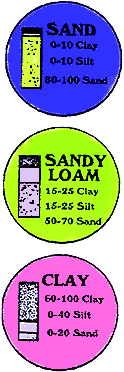
Clay is difficult to dig through with a shovel, making it difficult to work with.To make working in clay easier, apply some car wax or floor wax to the head of the shovel and buff. The clay will slide off the surface and it will prevent rust.
This boosts the chance that the plants growing until adulthood. This also gives you the freedom of tightening time between plantings. Your seedlings will be ready to be planted when you remove the previous set of mature plants.
Having healthy soil in your garden will help your number one defense against pests!Healthy plants grown in robust and disease. To give your garden the best chance of yielding the healthiest plants, make sure you begin with premium soil devoid of salt-accumulating chemicals.
If the soil in your garden has a high concentration of alkaline, try mixing some coffee grounds into your garden’s soil. Coffee grounds contain plenty of acid to get the soil back to a good balance. This solution will make the vegetables you grow healthier and more flavorful.
Twining Stems
Use climbers if you want to cover any fences and walls. Many climbers are so robust that they can cover an unattractive wall or fence in as little as one growing season. They also have been known to grow through existing trees or shrubs, or be trained to cover an arbor. Some types of climbers support themselves naturally through twining stems or tendrils, whereas certain climbers attach themselves to a surface with tendrils or twining stems. Some climbers that have proven to be reliable are honeysuckle, clematis, wisteria, climbing roses, and wisteria.
Transfer your favorite plants indoors to rescue them from the winter.You may be able to save the ones you spent the most money on or the ones that are resistant. Dig around roots and place it a pot.
Novice gardeners should read the manuals on all gardening tools and chemicals prior to using them. You might end up damaging your plants or getting a skin irritation. Keep your body safe and follow directions.
Moisture on plants is sure to attract disease and illness. A commonplace plant parasite to plants is fungi. It is possible to get rid of fungi after it appears with anti-fungal sprays, but the key is to treat your garden before any problems arise.
You should make sure to divide irises. You can increase the number of irises by dividing up overgrown clumps. The bulbs split in your hand, and after you replant them, should easily split by hand – allowing you to replant them for even more blooms next spring. Rhizomes should be divided by using a knife. Cut new pieces from around the outside and discard the old center. Every piece is suppose to have at least one good offshoot. Replant your new rhizome pieces right away.
Wear hats and sunglasses, sunglasses and sunscreen to protect your skin from the damaging effects of the sun. Protecting yourself from the sun is the best way to prevent sunburns and skin cancer later in life.
Learn the best harvesting time for each kind of vegetable you plant. Different vegetables and fruits have their ideal seasons and months where they flourish, survive, and are harvested at the highest quality. For example, zucchini and baby peas are best picked young. The opposite is true of tomatoes. They taste their best if you allow them to ripen on the vine as long as possible. Educate yourself about the best time to harvest your veggies.
The ideal temperature to set your thermostat for indoor plants should be kept between 65-75 degrees Fahrenheit during the day. The temperature needs to be this warm so they may grow. If you want to save money on gas bills in the winter, another solution you can utilize is to purchase heat lamps for your organic plants.
It is easy to quickly prepare your perennial garden. Use a spade to dig into the turf, then flip each piece over, and spread wood chips on top to a depth of four inches. Let the area sit for a fortnight, then dig it and plan the new perennials.
Tool Belt
Choose a specific plant to become your garden’s focal point. When you design your garden, think of a great focal point that will grab attention and add interest. Quite often a distinctive plant works well as a point of interest.
Make sure you work in your garden. Don’t waste your time by looking all over for a tool. Prepare them all ahead of time and have them handy before you need to garden, and then put them away neatly when finished. If you need to use a tool belt, use a tool belt or even pants that have quite a few pockets.
Since you’ve reached the end of this article, you can see now that organic gardening makes a huge difference in the taste and healthiness of the product. It may take a ton of work, but it is worth it.
Save Money On Fertilizers And Pesticides By Trying These Top Organic Gardening Ideas
Organic gardening is known as a hobby and helps you get in touch with nature. This is a hobby can help you grow food that is free of pesticides. Easier said than done, correct? The advice in this article will help you grow your own organic garden easily and successfully.
Clay soil is hard and will also stick to a shovel, and can can stick to a shovel making it frustrating to work with. To make working in clay easier, apply some car wax or floor wax to the head of the shovel and buff. The clay easily slides off of its surface and it will prevent rust.
Do not spend your money on chemicals to fight mildew. Mix a little liquid soap and baking soda in water. You just need to spray your plants with this solution once every five days until the mildew is no longer visible. No damage will occur to your plants, and the baking soda is mild and efficient.
Plant perennials in your garden that repel slugs. Slugs or snails are voracious eaters that can kill a plant literally overnight. These garden vermin prefer plants with tender, tender, and thin. Some perennials, especially if their foliage is hairy and tough, tough leaves or a taste that isn’t appetizing. Some of these plants include achillea, heuchera, euphorbia, hellaborus, and heuchera.
When horticulture, beware of stink bugs and other insects, especially during Autumn. They enjoy tomatoes, peppers, tomatoes, and many different varieties of fruits. If not taken care of, the damage can be excessive, so take steps to cut down their population.
Coffee Grounds
If you’re like many gardeners, autumn means that it’s time to get some delicious fall edibles growing in your garden. This time, use a pumpkin for the container for your lettuce and kale, instead of plain clay pots. Clean out the pumpkin just like you would if you were making a jack o’lantern. Spray Wilt-Pruf inside the pumpkin and along its edges so that the pumpkin won’t rot. Finished? Now you’re all set for planting!
If your soil has a problem with high alkaline levels, take used coffee grounds and mix them thoroughly with your soil. The coffee grounds are a very inexpensive way to give some acid back into the dirt. This solution will allow your vegetables and more flavorful.
A great garden should start from seeds and not plants. The environmentally conscious way to create a new garden is to start with seeds. The plastics used in nurseries are rarely recycled and ends up in landfills, that is why it is advised to use seeds or purchase from nurseries that make use of organic materials when packaging their plants.
Fertilizing your garden soil. Manure is great in enabling plants to grow, but it needs to be combined with a synthetic compost to stop diseases from infecting your plants.
Place a two inch layer of organic mulch at the base of your tall vegetable plants. Mulch will retain water so that you won’t have to water your plants as often. Mulch will help a lot in preventing weeds from growing. That helps you save a great deal of effort and time in weed eradication.
Purchase a wheelbarrow, as well as a wheelbarrow or wagon.Horticulture can be very tough on the knees as you spend much time leaning near the ground, but a small ergonomic stool will be a comfortable solution. Horticulture also requires transporting heavy objects and lots of dirt, so a wheelbarrow makes for a wise investment.
Pest control can be very difficult when dealing with a vegetable horticulture. One way that you can help control gardening pests is to be vigilant. When pests are noticed early, remove them by hand before they have a chance of spreading.
Plant with fall color. Maple trees are an autumn rainbow of crimsons to yellows, just like Beech and Dogwood trees. When selecting shrubs that will be colorful during the fall, try hydrangea, barberry, or cotoneaster.
Pest control can present a challenge for successful vegetable gardening. It’s likely you don’t want to spray pesticides around the vegetables you intend to eat. So to help you control the pests that may invade your garden, you will want to stay vigilant. When you see bugs, remove them by hand before they have a chance of spreading.
Using plants that all grow the same length or height will make your bed look uniform.
Plant ever-bearing strawberries for your children.Children love to snap up these sweet juicy fruits for themselves and will be more willing to eat other foods you’ve planted as well.
Using aspirin water can prevent certain plant diseases. Dissolve 1 aspirin per 2 gallons of water) in a plant disease fighting solution. You can easily spray the solution on your plants to assist them in warding off diseases. Try to apply the mixture to the plants with this around every three weeks.
If you have problems keeping the dog out of the garden, spray things like aftershave, perfume or other scents on the grass surrounding the garden. This covers up the smells that bring dogs to gardens in the first place, which means dogs are less likely to enter the garden.
If you can’t wait for a cut to heal before digging in the dirt, take the time to make sure it is either healed or completely covered before you put your hands in the soil. A cut will likely become infected if it is exposed to a lot of dirt when horticulture.
When your seeds sprout, they can survive in somewhat cooler temperatures. Keep an eye on your seeds to know when you should do this.
Organic Horticulture
The ideal temperature to set your thermostat for indoor plants is between 65-75 degrees Fahrenheit during the daylight hours. This is the optimum temperature to ensure strong growth. Another option is the use heat lamps that will protect your organic plants.
The hobby of organic horticulture requires patience and effort, with a little help from Mother Nature. When you enjoy this hobby, you can find new opportunities to grow healthy and nutritious foods. This article is full of advice that you can use, along with a little old-fashioned hard work, to get off to a great start in organic horticulture.
Smart Organic Horticulture Ideas For A Healthier Garden!

You are now prepared to embark on the journey of making a garden that is organic garden. The following tips can help you realize your plans for organic gardening success.
Your plants need to adapt and must be gradually introduced to changes of environment. Put them out in the sun outside for no more than two hours on the first day. Over a week, try gradually increasing the time they’re left outside. By the time the week ends, your plants should then be ready for the big move!
Starting seedlings in pots before planting in your garden is a smart idea. Once the plant is hardy enough, plant it in your garden. This method also gives you the freedom of tightening time periods between each planting. When you remove your mature plants, the next batch of seedlings should be ready.
Having healthy soil in your garden is your plants avoid insect pests.Healthy and makes your garden more resistant to common diseases and insects. To give your garden the best chance of yielding the healthiest plants, make sure you begin with premium soil devoid of salt-accumulating chemicals.
When partaking in gardening activities, be sure to look closely for stink bug infestation, particularly in the autumn. Stink bugs like to eat beans, beans, tomatoes, and various varieties of fruits. If you don’t take care of them, they can do great damage to your plants, so make plans for how to protect your plants from these pests.
Try dousing weeds to get rid of them. Boiling water in a safe herbicide which won’t damage your garden or your body. Boiling water damages the roots of weeds and will inhibit future growth.
Ensure you have the proper soil for the plants you have selected. Depending on what kind of plants you want in your garden, the soil might or might not be adapted. You may also cultivate an artificial area comprised of just one type of soil.
Mint Leaves
Do you enjoy fresh mint leaves though hate how they grow so fast and take over your garden? You can control their growth of the mint leaves by growing them into a large container rather than in your garden. The container can be planted in the ground, and prevent the mint leaves from sprouting in other areas.
Pest control is tough when you are dealing with your veggie garden. One way that you can help control garden pests at bay is to remain vigilant. If you catch them early, you can control them just by physically removing them from your plants with your hands.
Use natural pest control when possible. Slugs can be kept at bay with a patch of marigolds or pungent vegetables. Wood ash, when used as mulch, can help keep insects away from trees and shrubs. You can avoid using pesticides that contain harsh chemicals if you employ these techniques.
Chamomile tea applied to plants can be an effective remedy against fungus.
Horticulture should be a great relaxation activity. There are numerous ways to seek personal comfort and relax. Gardening is a great way to achieve this goal. It requires a small monetary investment and has tremendous returns. The best thing you will get out of planting and happiness knowing that you can grow your own.
Wear hats and sunglasses, sunglasses and sunscreen to protect your skin from the damaging effects of the sun. Protecting yourself from the sun is the best way to prevent sunburns and skin cancer later in life.
Be aware of the optimum time frame for harvesting vegetables. Different vegetables have different, ideal times that they should be picked for best flavor. For example, zucchini and baby peas are best picked young. Contrarily, tomatoes should be left on the vine until maximum ripeness has occurred. It’s best to learn when the harvest time is for your vegetables.
Protecting your knees while gardening is very important.Many people find it difficult to bend over for extended periods of time while they are standing up. Kneeling is a good way to reach your plants easily and is healthier for your back stress. You can pick up a knee pad for horticulture in order to protect your knees are at ease on the ground.
If you have a cut, make sure that you adequately protect it from dirt and chemicals. A cut may become infected if it is exposed to a lot of dirt when horticulture.
It also make your flower beds look more finished.
To create a beautiful English garden, use the same bed to mix various kinds of plants, as well as different heights. Using plants of all the same kind or size, can result in a boring, and unoriginal garden.
Plant Material Comprises
Your compost pile should contain green plant materials and dried ones in equal amounts.Green plant material comprises leaves, veggie and fruit waste, leaves, vegetable waste, and leaves. Dried plant material comprises shredded paper, cardboard, includes shredded paper, and straw. Avoid using ashes, meat, charcoal and diseased plants in your compost.
Gardening of any type can be a great hobby that helps you to feel more at one with the earth, but is great for saving money and aiding a healthy diet.
Keep the temperature in your home between 65 and 75 degrees Fahrenheit, if you are keeping or growing any kind of plant in your house. The temperature needs to remain warm so they may grow. Another option is the use heat lamps that will protect your organic plants.
Organic horticulture can be made easy with just got easier! Plan out the landscaping with mainly native bushes, flowers, and bushes! If you choose groups of plants that all mesh with each other in terms of optimal soil conditions, soil variety and indigenous neighbors, you won’t need to do as much work to get the plants to coexist peacefully. Native plants will thrive if you encourage growth with organically made from native materials such as grass clippings and leaves.
Even though the insects remain there, you can avoid the damage they cause, so you and the bugs are happy.
Know how and when you should water your organic plants. A soaker hose is your best option for this watering job.Watering during the early hours of the morning is ideal.
Spacing is one important factor in gardening. Plants take up quite a bit of space as they grow, and it’s easy to underestimate just how much. Air circulation and room to grow is important for any plant. Plot out all of these considerations before putting that first seed in the ground.
Use barrels to trap the water and use in your organic garden. This will save you a lot of money to water your garden. Rainwater is also be more beneficial to your plants than tap water.
Water is essential to maintaining a healthy garden. On a day that is really hot, the soil will become more dry, so it is important that you remember to water your garden. Watering properly will help the garden look its best.
Hopefully these tips have helped to prepare you for having an organic garden. You may have thought you were all set to start digging prior to reading this article, so now you should be able to call yourself an expert! Remember to apply these tips as you plan and take care of your garden.
Your authenticity as an organic grower is solidified when you obtain the organic gardening certification. With this, you and your crops are credible and 100% legitimately organic. This is important for your business and to your customers. This can increase your sales and also prove to your customers that they are getting the best produce out there.
Tired Of Chemicals? Grow An Organic Garden With These Tips
Organic horticulture is very relaxing and great patience. This is a hobby can help you grow food that is healthy and pesticide free. It is challenging, but is it?Read the tips to discover how to begin gardening like a pro.
Make sure that your sod properly. Pull any weeds and loosen the soil so the new roots can take easily. Make sure the soil is flat and compacted. Make sure you work with a moist all the way through. Lay the sod in rows, ensuring the seams meet perfectly.
Take the proper approach to laying sod. Before laying the sod, the soil must be prepared. Break the soil into fine tilth and make sure you remove any weeds as well. Using a light but firm touch, compact the soil until it is flat. Make sure the soil is thoroughly moist. Lay the sod down in alternated rows, keeping the joints set off from one another. Press the sod down firmly so that the surface is flat and even. If there are gaps remaining, fill them with a bit of soil. Your sod should be watered everyday for at least two weeks, then it will root itself and walk on it.
Cover the fences and walls with climbing plants. Many climbers can cover an unattractive wall or fence in as little as one growing season. They also have been known to grow through existing trees or shrubs, or be trained to cover an arbor. Some must be tied to supports, and others will attach themselves to any surface using their twining stems or tendrils. Some dependable types include honeysuckle, jasmine, jasmine, climbing roses, and wisteria.
Knee Pads
Knee pads are absolute miracle accessories if you work in a gardener’s friend when caring for plants low to the ground. Having a pair of knee pads will cushion your knees to provide additional comfort.
Fill your garden with bulbs if you want to enjoy beautiful flowers through the spring and into summer. Most bulbs are extremely hearty and grow easily. They also come back year after year. Include a variety of plantings to get a full season of flowers, from early bloomers to late-season varieties.
You should divide your irises. You can increase the number of irises by dividing up overgrown clumps. The bulbs should automatically divide in your palm, and after you replant them, they will typically flower the following year. You can divide rhizomes with a blade. Cut new pieces from the outside and throw out the dead center. Every piece needs to have a strong offshoot.Replant your new rhizome pieces right away.
American Cranberrybush
You should think about planting evergreens that will produce berries in your garden. Plants which you can purchase that offer color during the winter are the Winterberry, the Common Snowberry, American Cranberrybush, and the American Cranberrybush.
It is best to aerate and dry your plants daily. Moisture not only attracts parasites, but also makes it easier for your plants to contract diseases. A commonplace plant parasite is fungi. You can control fungi with fungicides, but you must remember to use it before you notice any problems in order for it to work.
Learn the appropriate time for each vegetable. Each variety needs a slightly different amount of vegetables has its own ideal time for picking for the most flavorful vegetable. For example, zucchini and baby peas have the best taste when you pick them early. Tomatoes, though, taste better the longer they are allowed to ripen on the vine.
Chamomile tea applied to plants can be an effective treatment against fungus problems.
It is essential to keep your knees when you are horticulture. Many people experience back pain and stiffness from bending over for extended periods of time. Kneeling is a great way to reach your plants easily and is healthier for your back. You can use knee pads to kneel without the ground.
You can prevent pests using other plants or natural materials. Slugs are repelled by bordering your vegetable garden with either onions or marigolds. You can also mulch around trees and shrubs with wood ash, which drives away insects. These methods are environmentally-friendly and mean you do not have to resort to harsh chemicals.
The ideal temperature to set your thermostat for indoor plants should be kept between sixty-five and seventy-five degrees Fahrenheit during the daylight hours. The temperature needs to remain warm so they are able to grow. If this is a little too warm for your house, you can use a heat lamp to keep your plants warm enough.
After sprouting occurs, heat lamps are not needed. Check on your seeds periodically to make sure you catch them when they are ready.
Make sure you work in your garden.Don’t waste time by searching for lost tools. Prepare all the tools you need before you go out to work on your garden, and then put them away neatly when finished. You can use a tool belt, or choose pants that contain several large pockets.
If you have a high priority for sustainability in your organic gardening, try leaving a corner of the property undeveloped as a mini wildlife refuge. As the natural wildlife begins to flourish, the various insects, birds, and other natural life around will all blend together and actually assist your garden as it begins to grow.
Have plastic bags on hand so that you can put over your muddy horticulture shoes.
Organic Horticulture
Organic horticulture combines hard work, patience and nature. This hobby makes good use of your land to produce tasty vegetables and fruits. If you do the hard work and take the time, you will learn the ropes of organic horticulture.
After seeds have sprouted, they require less warmth than they did prior to sprouting. Move your plants further away from your heat source as they grow. Make sure you remember to remove any plastic films that were on the plant containers to repel humidity and warmth. You need to read the seeds to know the best time to do this.
A Healthy Start: How To Grow An Organic Garden
Organic gardening can either be a major headache, but also headaches as well. The following tips will assist you in becoming an accomplished organic garden successfully.
Your plants need to adapt and must be gradually introduced to changes of environment. Put them outdoors in the sun for approximately one to two hours the very first day. Over the course of a week, try gradually increasing the time they’re left outside. By the end of the week, your plants will be ready for their big move and should have no problems!
Choose higher yield plant varieties. Traditional strains are often out-performed by hybrids that have been bred for cold tolerance or disease resistance.
Clay soil can be very hard to work with, as it is sticky and compact. To make your digging project easier, apply some car wax or floor wax to the head of the shovel and buff.The clay will slide off the surface and it will prevent rust.
Baking Soda
You don’t need store-bought chemical solution to deal with powdery mildew in your garden. Mix a bit of liquid soap and baking soda into water. Spray this solution on plants about once weekly until it subsides. Baking soda is a good way to get rid of mildew without damaging your plants gently.
Give your flower beds a boost by introducing annuals and biennials. These types of flowers grow at high speed, which gives you more flexibility in changing the look of your flower beds as the seasons change. They are very useful for filling in the gaps between perennials and shrubs in a sunny area. Some excellent choices include rudbeckia, hollyhock, sunflower, cosmos, petunia and marigold.
Pick the correct soil to get the best outcome. You may also be able to design an artificial area with only one type of soil.
When mowing your lawn do not cut it too closely to the dirt. If you let your grass keep some height after mowing, the roots will grow deeper into the soil, greener lawn. Short grass is more prone to getting dried out and dead grass.
Most vegetables need this amount of sunlight to grow well and quickly. This is also true for some of the flowers.
Set your mower blades higher, so you don’t cut the grass too short. If your grass has more height, roots be able to grow more deeply in the soil, which will make for a stronger lawn and will have a higher resistance to drying out. The shorter the grass is, the shorter the roots are, which leads to a dry lawn.
Mint Leaves
Do you ever wish that your fresh mint leaves without having to worry about them growing too quickly? You can control the growth of the mint leaves by placing them in a large container rather than in your garden. You can plant the container into the soil if you want to, but the container will restrict the roots, and keep the plant from taking over your garden!
Horticulture should be a relaxing hobby. There are numerous avenues to pursue when attempting to find your personal relaxation and peace. Horticulture is a relatively easy way to achieve this goal. It does however require a small investment and has tremendous returns. The best return is the joy and growing greens on your very own greenery.
Always fertilize your garden. Composted manure is effective in raising healthy plants, and commercial fertilizer products are safer and more convenient. There are a lot of different ways to fertilize plants; make sure you actually take the time to do it.
Wear hats and sunglasses, sunglasses and sunscreen to protect your skin from the damaging effects of the sun. Protecting yourself from the sun will lower the best way to prevent sunburns and skin cancer.
When your plants begin to sprout, they will not be in need of the warmth they needed to germinate. Keep a close watch on your seeds in order to know when you should do this.
Don’t let the little chores for your organic garden build up. If your busy life prevents you from tending your garden every day, there are still a number of things you can do to keep things from falling into disarray during your absence. If you put the dog outside, try to remove weeds when your pet is doing his business.
If you plan on growing peas, you should consider starting them indoors instead of beginning them outside. By initially planting them indoors, the seeds tend to germinate better. They will also be healthier and hardier, allowing them to better resist pests and disease. Once the seedlings are sturdy enough, they can be transplanted to their rightful place in the garden.
Laundry Basket
Use a laundry basket when you want to collect your produce. The laundry basket can be used as a great strainer when you wash your produce.
Any form of gardening helps you get in tune with the environment, but organic horticulture provides additional benefits.
Consider planting evergreens in your garden that produce berries. These year-round berries will give the rest of your yard a much-needed pop of color, especially in the winter. Other plants that boast of winter berries include: Holly, Snowberry and Winterberry.
Make you garden is diverse. The more plants you have, the more kinds of wildlife you’ll have. Plant lots of plant varieties to make the garden to try to recreate a natural environment. If you can accomplish this, the garden will be the perfect place to relax, and also you get great satisfaction from knowing you did your part for the environment.
There are all sorts of plants that you can grow in your garden. Mulch is a must-have for plants that need acidity to thrive.These types of plants need to be mulched with thick layers of pine needles around fall every year.
Use at least 3″ of organic material to mulch flowers and flowers. This aids in environmental conservation and help it retain moisture more efficiently – which should help you serious money on water bills. You may also find the mulch attractive.
Look for targeted pesticides instead of using popular but damaging broad-spectrum products. These pesticides can also kill useful insects that eat your pests. Beneficial bugs are usually several orders more sensitive to the things you spray than the pests you are trying to kill, so you might wind up dropping the good bug populace and open the door to pest population growth. This might result in you having to use even more pesticides to get rid of the pests.
As you’ve read, there is more to doing organic horticulture than many think. Organic gardens require much patience and hard work, but you can have a wonderfully beautiful organic garden. Utilizing the advice provided in this article will definitely help you improve your organic gardening techniques.
Horticulture Like A Pro: Organic Horticulture Tips
Organic horticulture is a very cost-efficient way to grow fruits and equipment. Here are some strategies to aid you in becoming a successful organic gardener.
You can keep pests from your garden by using other plants or natural materials. Planting marigolds or onions around the border of your garden will help repel slugs. These are proven methods without having to use harsh chemicals.
Make sure to lay the sod properly. Make sure you prepare your soil before you lay any sod down. Be sure to get rid of any weeds, and then proceed to break up the soil to get it ready to use. Flatten your soil and make it slightly compact. Thoroughly water the soil. You should lay your sod staggered, and have the joints offset. You want the sod to end up as a flat and even surface. If there are any gaps in between the sod pieces, then you can fill these in with some soil. The sod needs to be watered daily for two weeks, by which time it will be rooted and ready to walk on.
Think about adding some berry-producing evergreens in your landscaping. Some evergreens that will provide winter color are the American Holly, the American Holly, American Cranberrybush, and the Winterberry.
Chamomile tea is effective fungicide for potted plants.
Choose one plant as a focal point. The best focal point should be a plant totally different from those that are adjacent.
There’s no need for chemical intervention if you discover powdery mildew on leaves. Mix a bit of liquid soap and some baking soda into water. You then want to spray this mixture on your plants one time a week until you notice the mildew disappear. This solution is perfectly safe for your plants and gently treats mildew in a short amount of time.
The ideal temperature to set your thermostat for indoor plants should be kept between 65-75 degrees Fahrenheit during the day. The temperature needs to be this warm so the plants can grow. If this is a little too warm for your house, you can use a heat lamp to keep your plants warm enough.
When your plants begin to sprout, they will not be in need of the warmth they needed to germinate. Check on your seeds periodically to make sure you catch them when they are ready.
Pine can make a wonderful mulch. Cover the beds with a couple inches of needles and as they decompose, as they will decompose and disperse their acid throughout the soil.
You can alleviate this problem by planting grasses that your cat will naturally gravitate towards. You could also place mothballs and citrus peels around your plants to keep your cat away.
Try to work in your organic garden build up. Even if you’re to busy to focus on your garden’s needs each day, you can do little things to help so that there is not a huge amount of work to be done when you are ready to get back to it. For instance, pull a few weeds if you’re outside and waiting for your dog to finish his business.
When maintaining your organic garden, try ruffling seedlings using your hands or cardboard one or two times daily. It sounds weird, but there is actually proven research that shows this helps the plants grow.
If you wish to honestly proclaim your produce to be truly organic, you should get an organic garden certified seal. This can increase your sales and show your customers that they are getting the best produce out there.
Use smarts when watering your garden. Consider a soaker hose as a way to water multiple plants while saving time. Turn the water pressure on low so the soaker hose will not harm tender plants. Let the soaker hose do its thing for a couple hours, and your plants are watered.
Botanical Insecticides
Research botanical insecticides that can be useful in ridding your garden of pests.Natural insecticides are often more powerful than synthetic pesticides. However, botanical insecticides may not last as long because of their biological makeups, botanical insecticides often have very fast decay periods and disappear rapidly.
You need to mulch your garden or flowerbed with about three inches of materials that are organic. This will help your garden by adding nourishment to the soil, including enriching the soil, locking in moisture, and creating a noticeably more professional look.
Vegetables get softer as the temperature goes up, so you could damage your vegetables if you pick them during the hottest hours. For vegetables growing on vines, cut them carefully rather than twisting them off to avoid damage to the plant.
Think carefully about what you need to use in your garden. Try using natural and organic alternatives instead of the chemicals you normally use. One way to naturally feed your plants is through the use compost.
Organic horticulture can be made easy with just a few simple and effective! Plan to use mainly native flowers, flowers and grasses. If you select plants able to thrive in your climate, soil variety and indigenous neighbors, you won’t need to do as much work to get the plants to coexist peacefully. Native plants will thrive if you encourage growth with only natural compost.
Be sure to know when and how to give the plants in your organic garden enough water. A soaker hose would be the best option for watering. Watering the early hours of the morning is best.
Water containing some aspirin helps your plants fight illness. One and one half aspirin crushed and added to a two gallon container of water will be a great help for your plants. Next, coat the plant with the aspirin mixture by spraying it on the leaves. Apply at three week intervals.
Garlic is a great deterrent for bugs in an organic garden. The smell repels many of those pesky insects. Be sure you plant the garlic around the perimeter of the garden and near pest-attracting plants. A side benefit of placing the garlic is that you can eat it.
You should build a tent over your organic garden during winter. Then, throw sheets on top of them, and use some bricks to keep the edges held down. This is an inexpensive way to build a tent that will protect your plants to stay warm and hydrated during winter.
Water is very important to having a necessity if you want to have a healthy garden. When the temperature is especially hot, is is important to make sure the soil around your plants does not dry up.Proper watering can make a great garden.
It is common knowledge that grounds from brewed coffee are good for soil. Coffee grounds will add nitrogen to your soil which will make them helpful for some of your plants. Coffee grounds as a source of nitrogen for plants are usually limited to acid-loving plants because coffee is acidic. Plants need nitrogen in order to thrive, so give it a natural source with coffee grounds, then watch everything come to life much more quickly.
Dwarf Fruit Trees
Dwarf fruit trees are the perfect choice for a small garden. Many gardens within city limits don’t have space for full-size trees, and that is where dwarf fruit trees fit in best. These tiny trees produce regular sized fruits and produce fruit after about three years.
Some houseplants require some humidity. You can create humidity in any environment by grouping different plants together in one pot, or you could also plant it in a bigger pot while filling the gap with stones or compost. Another way to give your plants humidity for houseplants is by misting them with water a day.
Use an old laundry basket to gather your vegetables and fruits. You can also use a laundry basket as a strainer. Rinse off your produce while it’s in the laundry basket, and any excess water will be strained out through the basket’s holes.
Keep track of your gardening on a schedule.A calendar can tell you will have a plan for each season. You can create a planting calendar either on paper, or you could use a program on your computer to create and store it.
Use the advice here to start your own organic garden. It is an interesting hobby and one that can improve your health. Your foods will taste better and not contain the heavy chemicals of store bought produce. Planting a natural garden also encourages wildlife to enjoy your garden, and this even benefits the plants growing within.
Organic Horticulture Has Never Been This Easy!

Organic gardening may provide you with a great way to relax and enjoy your time, or a nuisance nightmare. The following tips will show you how to grow an accomplished organic garden successfully.
Your plants will respond better to gradual changes in temperature or condition. Put them outdoors in the sun for no more than two hours on the first day. Then over the next week, slightly increase their time outside.By the end of the week, you should have plants that are ready for a permanent home outside with no problem!
Shoveling soil that is mostly clay can be difficult because of the hardness of the soil, and because it sticks to the shovel. Coat the shovel with floor or car wax, and buff it with a clean rag to make the job a lot easier. This causes the clay to slide rather than stick, and prevents rust as a side effect.
Your tool handles can easily be used as measuring sticks.Lay the handles onto the floor and use a measuring tape beside them. Use a permanent marker and label distances.
Transfer your favorite plants inside so they survive the winter frosts.You should probably save the most beautiful or expensive ones. Dig the plant up without damaging the roots carefully before transferring to a pot.
Stink Bugs
Having healthy soil in your garden will help your plants avoid insect pests. The healthier the plants you grow, the more resistant they’ll be to illness, fungus, or bugs. If you start with balanced soil, your garden will produce healthy plants with the best yield. Refrain from using chemicals since these will increase the salt content of the soil.
When you’re out and about in the garden, be sure to look closely for stink bug infestation, keep an eye on those stink bugs. Stink bugs like to reside in tomatoes, beans, and pepper plants, and various varieties of fruits. If not taken care of, they can cause large amounts of harm to your garden, so remember to take protective measures to reduce the population of stink bugs there.
You could also try to offend the cats sense of smell with orange rinds or mothballs.
Don’t mow your grass too short! If you leave some of the grass when you mow, the roots will grow deeper into the soil, greener lawn. Short grass means short roots and turning brown.
Try to ensure your plants are dry and have enough air, daily! Many diseases, as well as most parasites, prefer moisture. One parasite you have to watch out for in particular is fungi. To control fungi, use a fungicide spray on the area before you notice any problems.
Try dousing weeds to get rid of them.Boiling water is a safe “herbicide.” Boiling water damages the weed roots and will stunt further growth.
Do you want fresh mint leaves grow and take over your lovely garden but still like them? You can control their growth of mint by planting it inside a pot or super-sized bowl. You can plant the container into the soil if you want to, but the container will restrict the roots, and keep the plant from taking over your garden!
Place organic mulch at the base of your tall vegetable plants. The mulch will keep the soil around the plants much more moist for much longer. It will also helps prevent weeds from popping up around your plants. This can save you having to constantly pull weeds.
Divide your irises. If you divide the overgrown clumps of flowers, you’ll find that your stock grows proportionally. You can do this by simply picking up bulbous irises once the foliage has withered. The bulbs will split up naturally in your hand, and when replanted, will often flower the next year. You should split up rhizomes by utilizing a blade. You can trim new pieces away from the outside of the bulbs and then simply throw the old center away. Every piece should contain a strong offshoot. Immediately replant all your selected cuttings.
Purchase a wheelbarrow, as well as a wheelbarrow or wagon. Horticulture can take a toll on the knees, so a kneeling stool that is ergonomic and lightweight can make things much more comfortable and enjoyable. Horticulture also requires transporting heavy objects and lots of dirt, so a wheelbarrow makes for a wise investment.
Chamomile tea is effective in combating a fungus problems.
Plant with fall color. Maple trees come in a variety of fall colors ranging from yellow to deep crimson, and so are beech and dogwood trees. When you choose shrubbery, try hydrangea, hydrangea, or cotoneaster.
You can keep pests away from your garden by using other plants or natural materials. Planting marigolds or onions around the border of your garden will repel slugs. Keep insects away from shrub and tree seedlings with mulch containing wood ash. You can avoid using pesticides that contain harsh chemicals if you employ these techniques.
Use smarts when watering the garden. A soaker hose is a great way to water all of the plants at once, removing the need for hauling a watering can or hose around to each plant. Use low water pressure to avoid damaging tender plants. Let it water the plants for a while you do other things.
It’s simple to lay a perennial garden. Use your spade to slice chunks of turf up, turn the turf over, then spread the area with approximately three inches of wood chips.Allow for at least 10 days to pass, then plant your perennials.
Make the most of the time spent in your garden every day.Don’t waste time by searching high and low for that packet of seeds or spade. Prepare them all ahead of time and have them handy before you need to garden, and put them away nicely when you are done.If needed, use a tool belt or even pants that have quite a few pockets.
Heather can bring helpful critters into your garden. Bees are drawn to heather, as heather is an early provider of spring nectar. Spiders, ground beetles and other useful insects are drawn to heather beds because they don’t tend to get jostled around. Being mindful of this, wearing gloves appropriate to gardening is sound strategy when pruning any heather in or around the bed.
If you want to sell your crops, you will need to receive an organic horticulture certification. This should boost sales while proving to your customers that you’re providing the best to them.
Organic horticulture can be more difficult than gardening with chemicals, but the payoff in the end is well worth the work. Chemicals can be beneficial, but the organic method is the best way to get healthy produce.
Add mulch to keep your garden to improve the vitality of the soil.The right amount of mulch in a garden also works to protect the soil under it. Mulch will keep the soil at an ideal temperature and protect your roots. It will also stop the soil moist longer by preventing water evaporation. It is also very good at controlling unwanted weeds.
It is important to keep the temperature set between 65 and 75 degrees, if you wish to raise plants in the home. It is important for them to be kept in this temperature range if they are to grow properly. If your home isn’t that warm during in winter, try a heat lamp to use on your organic plants instead.
You can simply make a newer garden for your perennials in just a few steps. Use the spade to get under the turf, turn them, and then bury the whole area under a thick layer of wood chips. Wait a few weeks before planting perennials into the new bed.
Grow crops that have a high value! The worth of each plant will be different for each person. You can actually save money by growing pricey plants that are initially more expensive to buy. Plant vegetable plants that you love to eat and enjoy the cost savings.
As illustrated above, there is more to becoming a successful organic gardener than most people first imagine. You may have to put in a fair amount of effort, but at the end of the day you will have a wonderful garden. If you take the information in this piece to heart, you will soon have an effective arsenal of organic horticulture techniques.
If you want to sell your crops, you should become a certified organic gardener. This can boost sales and tell loyal customers that you’re providing the best to them.
Tips For Growing An Award Winning Garden
A garden offers much more than that. It is not just an aimless pasttime for the hobbyist with green thumb. The effects can be especially profound if you’re good at it.
The handles on your horticulture tools can double as clever rulers. Lay the handles upon the floor and place a measuring tape beside them. Label the distances onto them using a permanent marker.
There is no need to purchase a costly chemical if your plants develop powdery mildew. The best solution is mixing baking soda, a drop of liquid dish detergent and water together in a spray bottle. Spray this mix on your plants every week and the mildew should go away. Baking soda is a good way to get rid of mildew on your plants gently.
Pick the proper soil to get the best outcome. You can make an artificial area with only one kind of soil.
Be sure to get rid of the weeds growing in your efforts to banishing weeds!Weeds can take over a good garden. A great way to get rid of some white vinegar. White vinegar will definitely kill weeds! If you are too busy to pull weeds by hand, douse them with a white vinegar solution.
Bulbs are the best solution to get flowers in spring and summer flowers. Different types of bulbs bloom at different times, so if you choose appropriately, you may have blooms early spring to later summer.
Be diligent in your efforts to banishing weeds! Weeds can take over a healthy garden faster than you think. To do this, think about using white vinegar. White vinegar is natural, very inexpensive, and can really kill the weeds! So, if weed pulling is tiring you out, spray a white vinegar solution all over them.
When the fall season arrives, you must prepare to plant your favorite fall veggies and other edibles. A pumpkin can become a festive container for kale and lettuce. Once you cut an opening at the top of the pumpkin and scoop out the insides, spray the edges and inside with Wilt-Pruf to prevent rotting.
Make a landscaping plan before you dig your garden. This will assist you in recognizing your tiny plants when they begin to sprout.
If you are going to grow peas, start them indoors before putting them outdoors in your garden. The seeds will have a better in your home if you start them indoors. They will also be stronger, allowing them to better resist pests and disease.You can transplant the seedlings outdoors after they become better established.
When fall has arrived, it is time to plant the edibles for the autumn. If you’d like to change things up a bit this season, put away your standard clay pots and plant your lettuce and kale inside of a pumpkin instead! You simply need to cut off the top, scoop out the guts, and spray your pumpkin with Wilt-Pruf. Once you’ve done this, you can plant.
If you are just getting into horticulture, it is important that you follow all of the instructions on all of your tools and chemicals. If you use your horticulture chemicals wrong, you run the risk of harming yourself due to the chemicals that can irritate your skin. Keep yourself safe and follow instructions.
Chamomile tea applied to plants can be an effective treatment against fungus problem within your garden.
The ambient temperate of a room with live plants is between 65-75 degrees throughout the day. The temperature needs to be this warm so the plants can grow. If you do not want to keep your home that warm during the winter months, you can use a heat lamp on the plants.
A wheelbarrow and kneeling bench or stool are smart investments for your garden. Gardening can be very tough on the knees as you spend much time leaning near the ground, so a portable stool can make all the difference to your comfort. You will need a wheelbarrow in order to perform various gardening chores, it is a good thing to have on hand.
Fill the jar up with beer within one inch of the top. The beer helps attract slugs and they will become trapped.
Organic Horticulture
Organic horticulture may sometimes require more effort than resorting to chemicals, but the results are worth it. While chemical pesticides and fertilizers may claim to do great things for your garden, organic horticulture will always provide the most rewarding and healthy crops.
If you have recently suffered a cut, discontinue gardening until the cut has healed completely. Cuts that are infiltrated by soil or other substances have the potential to breed serious infections. There are bandages out there now that can seal cuts completely.
One of the most wonderful things about buying food that is organic gardening apart from conventional gardening is that they don’t contain pesticides. Although this is better for your health, you need to make sure that you check all the produce careful for any bugs or pests before consuming.
While any kind of gardening can make you feel as though you’re in tune with nature, horticulture organically is especially good for this.
It only takes a few pieces of advice to help create a great perennial garden. Use a spade to cut and flip over your turf, and cover the entire area with wood chips after flipping it over. Wait a few weeks before planting perennials into the brand new bed.
Pine needles should not be overlooked as a great source for mulch. There are some plants that thrive in acidic soil. For such plants, pine needles function both as a handy mulch and as a soil amendment to lower the pH. Cover your beds with two inches of needles; acid will be dispersed into the soil as they decompose.
You should add mulch your garden or flowerbed using at least three inches of materials that are organic. This affects your garden in a variety of ways, holding in moisture levels, inhibiting the growth of unsightly weeds, and improving the overall appearance of the garden.
Think about any product you buy to use while getting ready to garden. Try to use natural and organic substitutes for the typical chemical fertilizers. A good example is to use is compost.
Use the tips you’ve learned here to turn your garden into an oasis. You will be glad you did when your garden is full of thriving and blooming plants. Horticulture is a potentially life altering activity, but only if you permit it, so why not start now?
Get more value from your property. You can get a great return on investment from landscaping. Some investments on plants can increase the value of your property when you resell by twenty percent or more. Select plants and shrubs that won’t require a lot of ongoing maintenance and will adapt well to your climate.
Great Gardening Advice On Great Organic Gardening

Organic horticulture may provide you with a great way to relax and enjoy your time, but also headaches as well. The following article is designed to turn you on how to be a successful and happy organic gardener.
Having healthy soil in your garden is your plants avoid insect pests. Healthy plants are stronger and makes your garden more able to resist both pests and disease. To boost your garden’s prospects of giving you the healthiest possible plants, start with a high-quality soil that has fewer chemicals which over time will accumulate salts.
It is important to do your homework so you choose plants that produce higher yields. Hybrids are usually hardier in terms of disease and weather resistance, and are designed to produce more.
Early Spring
Bulbs are a great option for people who want to enjoy in early spring and summer flowers. Different bulbs bloom at various times, so choosing appropriately, you can have blooms from early spring to late summer.
Pre-soak seeds overnight in a dark area. This will keep your seeds to be watered and they will get a kick start when growing. The seeds will most likely have a greater chance of maturing and mature this way.
Use both annuals and biennials to add a splash of color to your flower beds. Annuals and biennials that grow quickly can really wake up your flower beds, and they allow you to have a new garden look every season or every year, if you choose to. If there are gaps between the perennials and shrubs you have planted in a sunlit area, try filling those gaps with annuals and biennials. Attention-getting options exist such as sunflowers and petunias.
You can also repel your pet by planting rosemary or placing citrus fruit peels around your garden.
Most vegetables require this amount of sun in order to grow properly and quickly. This also rings true for some types of the flowers.
Know the ideal times to harvest the vegetables in your garden. Each kind of vegetable should be picked at a specific time to be harvested so that you may enjoy its fullest flavor. For instance, zucchini and baby peas are best picked young. Tomatoes, however, are tastiest when they have been allowed to ripen on the vine as long as possible.
If you’re growing veggies in the garden, they need to be in a spot that lets them get about six hours of sun daily. Many of the vegetables need a lot of sun, so they can grow right and at a faster pace. This also rings true for some of the flowers.
Plant with fall color. Maple trees produce yellow and red leaves, and so are beech and dogwood trees. When you choose shrubbery, try hydrangea, hydrangea, or cotoneaster.
In the hottest time of the day, which means they are easily damaged.
The ambient temperate of a room with live plants is between 65-75 degrees Fahrenheit during the daylight hours. The temperature needs to remain warm so they are able to grow. If you do not want to keep your home that warm during the winter months, you can use a heat lamp to keep your plants warm enough.
Be sure to buy a wheelbarrow and a kneeling stool that you can use for your garden. You can make gardening much more comfortable on your knees by using a portable garden stool. You often need to move large objects from place to place, so it’s a good idea to have a sturdy, well-balanced wheelbarrow.
Get the most value from your land. Landscaping your property provides one of the highest returns on home improvement. Some plant investments can raise your resale value tremendously.
Fill the jar with beer almost entirely. Slugs will be attracted by the beer and become trapped in the container.
Treated Wood
Paying attention to spacing is important. Many people don’t realize exactly how much space a plant needs when it grows. The plants need space due to sheer size and also for air circulation. It is, therefore, important for you to plan accordingly and allow for enough room between your seed rows.
Create raised beds with stone, bricks or untreated wood.Choose wood that is naturally resistant to rot and does not contain any chemicals. Some good choices include locust, cedar, and cypress. In order to avoid toxic substances from getting into the ground and perhaps into your vegetables, don’t use treated wood since its chemicals can leech into the food crops and soil.If you have placed treated wood in your garden, line it with a barrier of some form.
Organic horticulture can be made easy with just a few simple and effective! Plan out the landscaping with mainly native bushes, flowers, and bushes! If you find plants that work with your specific type of soil and climate, you will be less likely to need expensive fertilizers and pesticides. Native plants will thrive if you encourage growth with organically made from native materials such as grass clippings and leaves.
As stated in the above article, many people do not realize how much more there is to organic horticulture. While it does take hard work and patience, a wonderful organic garden will be the end result and that will always be worth the effort. Use this information and you will be in great shape for bettering yourself in terms of organic horticulture knowledge.
Regulate the amount and timing of watering, to the specific climate and its seasonal variations. You should consider water quality and soil type when watering your plants. Try to water your plants at the same time every day, as time of day also affects how much water they need. For example, if your climate is humid and warm, you should not water the leaves because it will encourage leaf fungus. You have to make sure to water the root system.