treated wood
Horticulture Made Easy Through These Simple Tips

Many people are only just how wonderful having an organic garden can be. The easy to follow advice in this article is to help the would-be organic gardener get off to a great start. Just follow these useful tips and tricks outlined here and get ready for some great results.
Most vegetables need at least that much sun exposure to grow rapidly and successfully. Some flowers also require direct sunlight for growth.
Let your new seeds soak in a dark spot overnight. Take 3-4 seeds, put them in a small jar or container, and cover them with water. That way, the seeds will have sufficient hydration and will have the best start possible. This increases the chances of survival for the seeds.
Protect your deciduous shrubs. Tie these canes at the top, and then use a sheet or blanket to cover the wigwam loosely. This method is preferred to wrapping a plant in plastic, as more air can circulate.
Knee Pads
Get gardening knee pads if you find yourself kneeling on the ground a lot to do your horticulture. Having a pair of knee pads for gardening can help cushion your knees to provide additional comfort.
Make sure that your deciduous shrubs are protected. Any potted shrubs should be sheltered in the winter from cold weather. Join them together at the top, and use a blanket or old sheet to cover them. In contrast to wrapping the plant with plastic, this method promotes air circulation, which stops the plant from rotting.
Think about berry-producing trees that are green year round for your landscaping. Some examples of evergreens that produce berries and color in the wintertime are the American Holly, and American Holly, the Winterberry and the Common Snowberry.
Purchase an inexpensive gardening kneeling pad, and a kneeling stool to use in your garden.Spending lots of time close to the ground while working tends to be hard on your knees, so a lightweight and portable garden stool will make gardening more comfortable. Horticulture involves moving heavy objects and dirt, so purchasing a wheelbarrow can be a very smart investment.
Use care when watering your garden. Use a soaker hose to save time so that you do not have to water each plant individually with a hose nozzle, so the garden can get watered while you are doing other tasks. Keep water running slowly so it doesn’t spray up onto the plants’ leaves. Let your soaker hose run for a few hours while as you do other things.
Start your garden off right with seeds, not plants. Starting with your own seeds is more environmentally friendly than buying plants from a nursery. Packaging materials for many plants utilize plastics that are not recyclable, so avoid these containers and choose instead to sow your garden with seeds or utilize organic pots.
Try to put an aspirin in the water for fighting plant diseases. Dissolve aspirin per gallon of water) in a bucket and administer to your plants. You simply have to spray this on your plants to assist them in warding off diseases. Try to apply the mixture to the plants at least once in each three weeks.
The ideal temperature to set your thermostat for indoor plants is between sixty-five and seventy-five degrees throughout the daylight hours. The temperature in order to effectively grow. If your thermostat is normally kept lower in winter, you can use a heat lamp on the plants.
Pine can make surprisingly great source for mulch. Cover your beds with the needles, they will disperse acid to the soil.
Be sure to buy a wheelbarrow and a kneeling stool that you can use for your garden. Spending a lot of time near the ground working is very hard on the knees, so a lightweight and portable garden stool will make gardening more comfortable. In addition, maintaining a garden typically means moving around heavy dirt and other objects, which makes buying a wheelbarrow a very smart purchase.
Don’t let all the chores for your organic garden build up. If you can’t get out in your garden every day, there are some small steps you can take to not have all that work build up on you. For example, if you are playing in the yard with your child, such as when you take your dog out for a potty break.
Some examples are petunias and petunias. If you do now know how to plant your seed, check the seed package or search online for the information.
When maintaining your organic garden, lightly brush over them using your hand up to twice a day. It may sound a little odd to do this, but research has shown that handling the seedling like this often will make them grow bigger than seedlings that are ignored.
Vegetables are softer when they are warmer, increasing the risk that you will damage them. See to it that you cut their connection to the vine as opposed to twisting them, because twisting could hurt the plant.
Treated Wood
Create raised beds with stone, bricks or untreated wood. Choose wood that is resistant to rot and is untreated. Some good choices include locust, cedar, and cedar. In a veggie garden, avoid using treated wood to enclose or demarcate different sections of your vegetable garden. If you must use treated wood, line it with some plastic and replace the soil near it.
You just have to be patient if you want to get your organic garden into tip top shape. The next time your are working in your garden, see if there may be an opportunity to test a few of these tips. Regardless of which plants you want to grow, you will be successful if you learn more about horticulture and apply what you learn.
Make sure you work in your garden every day. By having your tools in one location, you will not spend hours looking for them. Get all of your tools together before you go into your garden, then place them in a safe spot when you are finished with them. Get yourself a tool belt, or wear pants with many pockets.
Fall Gardens — Best Plants To Grow In Cool Weather

You are finally ready to try organic garden could save you money on groceries. The following tips and tricks will help prepare you for organic plants without spending a lot of money.
Plant some perennials that are resistant to slug and snail infestations. Slugs and snails are voracious eaters that can decimate a plant very quickly. These garden vermin prefer plants with tender, herbaceous stems and leaves, and thin. Some varieties of perennials are not preferred by snails and slugs, however, leave a bad taste in slugs’ mouths or are difficult to chew through because their leaves aren’t tender. Some of the best varieties of these include achillea, helleborus, heuchera, and heuchera.
If you work with clay soil, you have probably found using a shovel very frustrating and exhausting. To make digging clay soil easier, try applying a light coating of wax, either car wax or floor wax, and then buff off and commence digging. The shovel will glide through the clay and as a bonus, your shovel will be resistant to rust.
Transfer your favorite plants indoors to rescue them from the winter. You may be able to save the most resistant or expensive plants. Carefully dig around the rootball and transfer those plants into a flower pot.
Bulbs will give you wonderful flowers that you can enjoy spring and right through the summer. Different types of bulbs bloom at different times, so choosing appropriately, you can have blooms from early spring to late summer.
Most vegetables require this amount of sunlight to grow the right way at a faster pace. This holds true for some types of the flowers.
Check the soil before you plant anything in your garden. For a tiny fee, a soil analysis may be done, and based on the results, the soil can support a growing garden by you enriching it as necessary. It can avoid ruined vegetables and flowers, so check with places, such as a cooperative extension department to see where you can obtain the analysis.
Knee Pads
Knee pads are a garden with plenty of low-growing plants. Having a good pair of excellent knee pads will cushion your knees in comfort.
You should make sure to divide irises.You can increase the number of irises by dividing up overgrown clumps. The bulbs, and once you put them back into the earth, and they will most likely flower next year. You can divide rhizomes by utilizing a knife. Cut rhizomes from the outside and discard the old center. Each piece must have a minimum of one healthy offshoot. Replant your new rhizome pieces right away.
Knee pads are a gardener’s friend when caring for plants low to the ground. When you spend a lot of time kneeling while gardening, your knees can be very achy by the end of the day Cushion your knees with a pair of gardening knee pads.
Learn the ideal times for each vegetable. Each type of growing time to produce the best flavor. For instance, zucchini and baby peas are best picked young. On the contrary, tomatoes taste best when they are as ripe as possible from the vine.
Plant items with fall season color in mind.Maple trees produce yellow and red leaves, as do Beech trees and Dogwood. When selecting shrubs, try hydrangea, barberry, or cotoneaster.
Make the most of the time spent in your garden every day.Don’t waste thirty minutes looking for a tool. Prepare them all ahead of time and have them handy before you need to garden, and then put them away neatly when finished. If you need, consider using a tool belt or even just some pants that have lots of pockets.
Start your garden off right with seeds, not plants. When starting a new garden, the most environmentally friendly way is to start from seed. It is common for commercial plants to be packaged in plastic that is not commonly recycled, and therefore, it is better to use seeds or purchase plantings only from merchants who make use of organic packaging.
Coffee grounds are a good addition to soil. Coffee has a lot of the essential nutrients that plants are able to use.
Plant Material Consists
Your compost pile should contain green plants and dry plant materials.Green plant material consists of spent flowers, weeds, grass clippings, weeds, and fruit and vegetable waste. Dried plant material consists of sawdust, cardboard, cardboard, straw, and dried and cut-up woody material. Avoid using ashes, charcoal, charcoal and diseased plants in your compost.
Whether you have been gardening for a few days or a few decades, you must never deviate from the instructions on the labeling of all implements and chemicals. If you don’t pay good attention, you could wind up with skin irritations or other issues. Be careful when it comes to your body, and always follow directions.
Some typical examples include ageratum and petunias. If you aren’t sure, try to read the package or find the answer online.
Fill the jar up with beer within one inch of the top. Slugs will be attracted by the beer and fall into the container.
Treated Wood
Dress to protect your skin from sun damage when you garden. Wear sunglasses, wide-brimmed hats, and sunblock. Protecting yourself from the sun will lower your chances of getting skin cancer, as well as prevent premature aging from sun damage.
Create raised beds with stone, bricks or untreated wood.Choose a wood that is naturally resistant to rot and does not contain any chemicals. The best varieties include cedar, locust and cedar woods. In a veggie garden, avoid using treated wood to enclose or demarcate different sections of your vegetable garden. If you have placed treated wood in your garden, line your beds with plastic.
The garlic are ready for harvesting when the tops of them begin to brown.
Botanical Insecticides
If you’re really serious about environmentally-friendly gardening practices, refrain from developing some of your land and use it as an animal habitat. Wildlife can help the plants in your garden to thrive, as insects support plant reproduction, while the excrement of many species contains nutrients which can help to fertilize your soil.
Research the local botanical insecticides that can be useful in ridding your garden of pests. These are frequently more effective than synthetically engineered counterparts.However, botanical insecticides may not last as long because of their biological makeups, botanical insecticides often have very fast decay periods and disappear rapidly.
You can simply make a new garden for perennials in just a few steps. Use a spade to cut swatches of turf free, flip it, and then bury the whole area under a thick layer of wood chips. Wait a few weeks and then plant your perennials in the new bed.
Think carefully about what you buy to use while getting ready to garden. Try using organic substitutes for the usual chemical fertilizers. A good example to use compost.
If you are wanting to create a new flower bed for your perennials, you just have to follow a few steps. Use the spade to get under the turf, flip it, and then apply a layer of wood chips that is several inches deep. Let this set for a few weeks before you plant your perennials.
Leaves make a good organic compost pile which you can mix with soil. This is a free way to create rich soil for your garden’s soil.
Using plenty of mulch is a wonderful method to conserve water in your garden at home. You can get it from the store, composted lawn trimmings, or dead plant materials. The most important factor is that you use plenty of it.
When deciding what to plant in your vegetable garden, consider the kinds of vegetables you use most often; plant those types. This can reduce your food bill every month and cost-effective. Don’t bother wasting time on growing foods that your family doesn’t enjoy.
In organic gardens, like any garden, weeds take a lot of attention to keep them under control. This organic weed killer is safe for both you and the environment.
Humidity may be required by certain houseplants. You could create humidity by grouping different kinds of plants together in a pot, or replanting the specimen into a larger pot and filling the gap in with compost or stones. Another way to get more humidity for your houseplants is to mist them with water one to two times daily.
Organic Garden
After reading this article, you should have all the information necessary to start your organic garden. By reading and applying the information you have learned, you can go from a novice gardener to an expert-level organic gardener in no time at all. Hopefully, the advice you have learned will give you the knowledge and confidence you need to produce a beautiful and beneficial organic garden.
Use materials that you have around the house to make a winter tent for your garden. Make use of old bean poles as you stick them to the edge of your beds. Then, throw sheets on top of them, and use bricks to keep the edges held down. This trick will cost you little or nothing, and you will have protected your garden throughout the coldest months.
Improve The Look Of Your Garden With This Useful Information.
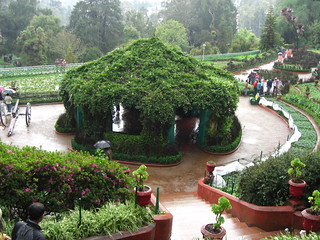
Learn some of the tips included in this article. You can figure out everything you need, so that you don’t waste time and money on equipment you don’t need, or the wrong types of seeds for your environment.
Do you love fresh mint leaves though hate how they quickly grow to take over your entire garden? You can control their growth of mint by placing them into a container or super-sized bowl. You can plant the container into the soil if you want to, but the container will restrict the roots, and keep the plant from taking over your garden!
Give your flower beds a boost by introducing annuals and biennials. Annuals and biennials that grow quickly can really wake up your flower beds, and they allow you to have a new garden look every season or every year, if you choose to. In addition, you might need something to fill empty spaces in your flower garden. Fill gaps with annuals or biennials. Just make sure the flowers will get enough sun to thrive. You should get varieties such as cosmos, petunia, rudbeckia, hollyhock, sunflowers or marigold.
Pest control can be very difficult when dealing with a veggie garden. One way that you can help control garden pests is to remain diligent about your garden. When you catch a potential infestation early, remove them by hand before they have a chance of spreading.
Chamomile tea can be an effective treatment against fungus problems.
Your children will enjoy the experience of working with your organic garden.A garden can be a great learning experience for your children, and will give you an opportunity to bond with them while you produce healthy food.
Before you even place the first plant in your garden, you need to check the composition of your soil. You can get a soil analysis, and if you find your soil needs a supplement, do it! A lot of cooperative extension offices can provide this service to you and it is worth knowing what you need to do in order to avoid ruining your plants.
Plant strawberries for your children in the organic garden. Children will be much more willing to help you if they can pluck their own fruit from the garden.
Try to put an aspirin in the water for fighting plant diseases. Dissolve 1 aspirin per gallon of water) in a plant disease fighting solution. You can just spray this on them fight disease. The process can be repeated every three weeks.
The ideal temperature to set your thermostat for indoor plants is between 65-75 degrees Fahrenheit during the day. The temperature needs to remain warm so they are able to grow. If you are not willing to keep your house that warm during winter, you can get a heat lamp for the organic plants instead.
You should utilize around three inches of mulch that is organic in your flower beds. Using this much mulch retards weed growth, locks in moisture, and ensures that your plants are well-nourished. This will also make your flowers appear beautiful and finished all year long.
After your seeds have sprouted, it is not as important to keep them warm. Check on your seeds periodically to make sure you know when they are ready.
This will also make your flower beds a more aesthetic aspect.
Make sure you work in your garden.Don’t waste time searching high and low for a tool. Prepare all of your tools prior to working in the garden, and then put them back in their place when done. You can use a tool belt, or choose pants that contain several large pockets.
You need to avoid chores in your organic garden stacking up. While you may not be able to spend a lot of time every day in your garden, even little items done daily will stop the mountain of work from growing. For example, snatch out a weed or two whenever you pass by the garden, such as when you take your dog out for a potty break.
Space is very important to remember when you plant an organic garden. You can easily underestimate how much space plants need as they begin to grow. Plan accordingly and put an appropriate amount of distance between the seeds.
Treated Wood
Create a raised bed for your garden out of stone, brick or untreated wood. Choose a wood that is resistant to rot and is untreated. Some good choices include locust, cedar, and cypress. In a veggie garden, avoid using treated wood to enclose or demarcate different sections of your vegetable garden. If you must use treated wood, line it with a barrier of some form.
Organic gardening is a relaxing hobby that will give you a great sense of satisfaction. Organic gardening allows you learn the entire plant cycle, from the beginning to the end.
It just requires some effort and a bit of learning on your part, and of course, a whole lot of patience. Your efforts will be rewarded by a great garden, and the satisfaction of having created something yourself.
Great Gardening Advice On Great Organic Gardening

Organic horticulture may provide you with a great way to relax and enjoy your time, but also headaches as well. The following article is designed to turn you on how to be a successful and happy organic gardener.
Having healthy soil in your garden is your plants avoid insect pests. Healthy plants are stronger and makes your garden more able to resist both pests and disease. To boost your garden’s prospects of giving you the healthiest possible plants, start with a high-quality soil that has fewer chemicals which over time will accumulate salts.
It is important to do your homework so you choose plants that produce higher yields. Hybrids are usually hardier in terms of disease and weather resistance, and are designed to produce more.
Early Spring
Bulbs are a great option for people who want to enjoy in early spring and summer flowers. Different bulbs bloom at various times, so choosing appropriately, you can have blooms from early spring to late summer.
Pre-soak seeds overnight in a dark area. This will keep your seeds to be watered and they will get a kick start when growing. The seeds will most likely have a greater chance of maturing and mature this way.
Use both annuals and biennials to add a splash of color to your flower beds. Annuals and biennials that grow quickly can really wake up your flower beds, and they allow you to have a new garden look every season or every year, if you choose to. If there are gaps between the perennials and shrubs you have planted in a sunlit area, try filling those gaps with annuals and biennials. Attention-getting options exist such as sunflowers and petunias.
You can also repel your pet by planting rosemary or placing citrus fruit peels around your garden.
Most vegetables require this amount of sun in order to grow properly and quickly. This also rings true for some types of the flowers.
Know the ideal times to harvest the vegetables in your garden. Each kind of vegetable should be picked at a specific time to be harvested so that you may enjoy its fullest flavor. For instance, zucchini and baby peas are best picked young. Tomatoes, however, are tastiest when they have been allowed to ripen on the vine as long as possible.
If you’re growing veggies in the garden, they need to be in a spot that lets them get about six hours of sun daily. Many of the vegetables need a lot of sun, so they can grow right and at a faster pace. This also rings true for some of the flowers.
Plant with fall color. Maple trees produce yellow and red leaves, and so are beech and dogwood trees. When you choose shrubbery, try hydrangea, hydrangea, or cotoneaster.
In the hottest time of the day, which means they are easily damaged.
The ambient temperate of a room with live plants is between 65-75 degrees Fahrenheit during the daylight hours. The temperature needs to remain warm so they are able to grow. If you do not want to keep your home that warm during the winter months, you can use a heat lamp to keep your plants warm enough.
Be sure to buy a wheelbarrow and a kneeling stool that you can use for your garden. You can make gardening much more comfortable on your knees by using a portable garden stool. You often need to move large objects from place to place, so it’s a good idea to have a sturdy, well-balanced wheelbarrow.
Get the most value from your land. Landscaping your property provides one of the highest returns on home improvement. Some plant investments can raise your resale value tremendously.
Fill the jar with beer almost entirely. Slugs will be attracted by the beer and become trapped in the container.
Treated Wood
Paying attention to spacing is important. Many people don’t realize exactly how much space a plant needs when it grows. The plants need space due to sheer size and also for air circulation. It is, therefore, important for you to plan accordingly and allow for enough room between your seed rows.
Create raised beds with stone, bricks or untreated wood.Choose wood that is naturally resistant to rot and does not contain any chemicals. Some good choices include locust, cedar, and cypress. In order to avoid toxic substances from getting into the ground and perhaps into your vegetables, don’t use treated wood since its chemicals can leech into the food crops and soil.If you have placed treated wood in your garden, line it with a barrier of some form.
Organic horticulture can be made easy with just a few simple and effective! Plan out the landscaping with mainly native bushes, flowers, and bushes! If you find plants that work with your specific type of soil and climate, you will be less likely to need expensive fertilizers and pesticides. Native plants will thrive if you encourage growth with organically made from native materials such as grass clippings and leaves.
As stated in the above article, many people do not realize how much more there is to organic horticulture. While it does take hard work and patience, a wonderful organic garden will be the end result and that will always be worth the effort. Use this information and you will be in great shape for bettering yourself in terms of organic horticulture knowledge.
Regulate the amount and timing of watering, to the specific climate and its seasonal variations. You should consider water quality and soil type when watering your plants. Try to water your plants at the same time every day, as time of day also affects how much water they need. For example, if your climate is humid and warm, you should not water the leaves because it will encourage leaf fungus. You have to make sure to water the root system.
Liven Up Your Garden With These Handy Tips.

An organic garden is a fascinating thing that also requires your most astute and attentive care to thrive. That is where smart organic gardening tips are important.This can help you grow tastier and better tasting results from your organic garden. Follow these tips to make your organic garden will soon be flourishing above the rest!
Having healthy soil in your garden is your plants avoid insect pests.Healthy plants can better ward off pests and healthy plants can fight off diseases with ease. To give your garden the best chance of yielding the healthiest plants, make sure you begin with premium soil devoid of salt-accumulating chemicals.
Look for the variants of a plant that offer the highest yield. In many cases, a disease-resistant or cold-tolerant hybrid will produce a higher yield than a traditional variety.
A quality garden must be grown from the seeds and not from the plants. The environmentally conscious way to create a new garden is to start with seeds. The plastics used in nurseries are rarely recycled and ends up in landfills, that is why it is advised to use seeds or purchase from nurseries that make use of organic materials when packaging their plants.
Learn the best harvest time for harvesting your vegetables. Each type of vegetables has its own ideal time for picking for the most flavorful vegetable. For example, peas and zucchinis are tastiest when picked young.Tomatoes, though, taste better the longer they are allowed to ripen on the vine.
If you plan to raise organic plants inside, it is vital to make sure that the right amount of light reaches them. If you’re living in a home that doesn’t receive much sunlight, you might want to grow plants that adapt to medium and low light environments instead. You can also consider using artificial lighting to help.
You do not need store-bought chemical treatments for plant mildew. Mix a bit of liquid soap and some baking soda into water. Spray this mixture on your plants weekly until the mildew is gone. Baking soda treats the mildew effectively and gently and it won’t damage your plants.
Coffee Grounds
Coffee grounds are a good addition to soil. Coffee grounds have a lot of the essential nitrogenous nutrients that plants can use.
Create raised beds with stone, bricks or untreated wood.Choose wood that is resistant to rot and does not contain any chemicals.The most popular options for this type of project are cypress, locust and cypress wood. In order to avoid toxic substances from getting into the ground and perhaps into your vegetables, don’t use treated wood since its chemicals can leech into the food crops and soil. If you have placed treated wood in your garden, line your beds with plastic.
Bulbs will give you wonderful flowers that you can enjoy in early spring and right through the summer. Bulbs are generally very simple to grow and hearty, as well; they will continue to grow for years. Different varieties of bulbs flower at varied times and if you make the right choices you can have blossoms from early spring through late summer.
You can skip watering for an entire day if rain is on the pending weather.
One thing that sets organic gardening apart from conventional gardening is that they don’t contain pesticides. While this is good for your family’s health, you still need to check your produce for any bugs or other pests.
Any form of gardening helps you get in tune with the environment, but creating an organic garden is really good at this.
Natural materials or some other plants can be used in your garden for keeping away pests. A border of onions or marigolds around a vegetable garden can repel slug. Wood ash, when used as mulch, can help keep insects away from trees and shrubs. You will be able to stay away from harsh chemical based pesticides by incorporating these techniques into your gardening.
The bulbs of the garlic are ready for harvesting when the green tops start drying out and turning brown.
When you are organically growing tomatoes, a great tip is to plant another set of tomatoes after three weeks of planting the original ones. This can give you are not inundated with a steady supply to tomatoes and reduce an overabundance at one time.
You need to mulch to your garden with about three inches of material that is organic. This will help your garden by adding nourishment to the soil, including enriching the soil, inhibiting the growth of unsightly weeds, and creating a noticeably more professional look.
Gardening is an incredible method of relaxing. There are a variety of ways to achieve a state of inner peace. Working in the garden is among the simplest. It does not have a large start-up cost and yields many returns. Great satisfaction will come from raising produce and flowers in your own environment.
Plant Varieties
Make sure that your garden diverse. The more plant varieties you have, the more wildlife will be around. Plant all different types of plant varieties to make the garden more similar to a natural environment. If you do this, you can create a naturally relaxing atmosphere, and also you get great satisfaction from knowing you did your part for the environment.
Think about any product you can use on your garden. Try using natural and organic alternatives instead of the chemicals you normally use. A great example is to use is compost.
Be smart when you water your garden. Put down the watering can or garden hose, and spread out a time-saving soaker hose instead. To avoid damaging delicate plants, you should water them with low pressure. Just use it on your foliage for a few hours.
When it’s time to dig a hole for a shrub or a tree in an organic garden, consider digging a hole that looks ugly for planting them. If there are any glazed sides in the hole, it could keep roots from penetrating the soil nearby.
Be specific about what you desire to grow when it comes to your organic garden. Different varieties of a particular flower or vegetable need different types of environments. For example, there are many kinds of roses and some will work in your garden, there are those that will thrive in your garden and those that will not. Make sure you find varieties that fit into your gardening situation.
Even with insects present, you will prevent them from damaging your garden, keeping everyone happy.
Make sure you consider adequate spacing when planting your garden, so that each plant is given room enough to grow and flourish. Leave a little more space than you think your full grown plant will need to make up for overgrowth. Plants need room for physical growth and for the air to circulate within the soil. Plant the plants appropriately when it comes to spacing the seeds.
As you can conclude from what you have just read, having an organic garden can provide you with nutrient rich and fresh fruits and vegetables. You’ll have to put in a lot of effort and be patient, but the results organic horticulture can give you are worth all the work.
The Ins And Outs Of The Art Of Horticulture

Many consider horticulture to be a great way to relax and have some fun. Knowing which soil to purchase, which tools to purchase and when you should be planting are a few of the questions gardeners want to know. This article contains key tips for those interested in horticulture.
Make sure that your sod properly. Pull any weeds and loosen the soil so the new roots can take easily. Make sure your soil is flat and even. Make sure the soil is moist soil.Lay the sod down in alternated rows, ensuring the seams meet perfectly.
When laying sod, it is important that you do it correctly. Get your soil ready before you lay the sod. Weeds should be removed, and you should break up the soil into a tilth. Make sure the soil is packed firmly and even. Make sure the soil is thoroughly moist. Sod should be placed in rows that are staggered, where the joints connect to offset each other. After the sod is in place, go over the surface to ensure everything is level. Use loose soil to fill in any gaps between seams. After two weeks of daily watering, the sod should be rooted; at this time, it is now safe to walk on it.
Select plants that will bring a higher profits and yield.
This increases the chance that the plants will survive to adulthood. This method also reduces the waiting time between planting cycles. Your seedlings will be started and ready to be planted immediately after you remove your old mature plants.
The handles on your tools can double as a convenient measuring instrument. Just run some measuring tape right on the floor next to the handle.Label the distances onto them using a permanent marker.
When mowing your lawn, avoid mowing the grass too short. Higher grass has deeper roots, meaning a healthier lawn that will be less likely to dry out. Grass that is shorter has a root system that is easier to dry out.
Plant bulbs in your garden if you want flowers through spring and summer flowers. Different bulbs bloom at various times, so choosing appropriately, you can have blooms from early spring to late summer.
If your soil has a problem with high alkaline levels, take used coffee grounds and mix them thoroughly with your soil. This is an easy and inexpensive method to increase the acidity of your dirt. This will make the vegetables and greenery to really thrive.
Mint Leaves
Peas have a better chance of survival when their seeds are started indoors as opposed to outside, exposed to the elements. When the plants are started inside, the seeds will have an easier time germinating. You will also have hardy seedlings that will be able to resist disease and pests much better. When these pea plants are sturdy, you can place them outside in your garden.
Do you enjoy fresh mint leaves but hate how they quickly grow so fast and take over your entire garden? You can control the growth by placing them into a large container rather than in your garden. The container can be planted in the ground, and prevent the mint leaves from sprouting in other areas.
You should make sure to divide irises.You can increase your stock of irises by dividing the overgrown clumps. The bulbs will split up naturally in your hand, then you replant them, they will typically flower the following year. You should divide rhizomes by utilizing a knife. Cut rhizomes from the outside and discard the remaining center. Every piece needs to have a minimum of one durable offshoot.Replant your cuttings immediately for the cuttings.
Purchase an inexpensive gardening kneeling pad, and a kneeling stool to use in your garden.Horticulture can take a toll on the knees, so a portable stool can make all the difference to your comfort. Horticulture involves moving heavy objects and dirt, so purchasing a wheelbarrow can be a very smart investment.
To create an English garden, combine a lot of different plants in the same garden. Using plants which grow to the same length or height will make your bed look uniform.
Know the ideal times to harvest the vegetables in your garden. Each variety needs a slightly different amount of vegetables has its own ideal time to produce the most flavorful vegetable. For example, zucchini and baby peas will taste a lot better if you pick them when they are young. Tomatoes, though, should be plucked from the vine the moment they appear ripe.
Wear wide-brimmed hats, sunglasses, and sunblock.Protecting yourself from harmful UV rays means you are less likely to get sunburned or suffer skin cancer.
Using plants which grow to the same height will make your bed look uniform.
Ruffle the seedlings carefully with a piece of soft cardboard or your hands twice a day. While it might sound strange, research has shown that this method can increase the size of your plants.
Have some plastic bags on hand to put over dirty gardening shoes if they are muddy.
Pine needles should not be overlooked as a wonderful mulch. Cover your beds with the needles, they will disperse acid to the soil.
Laundry Basket
Find out as much as possible about your different options if you need to use a product on your plants. For example, purchase organic fertilizer rather than chemical fertilizer. Compost is one thing you can use. The reason you should use an organic fertilizer is that they do not build up toxic chemicals in the soil or water like the inorganic fertilizers do.
Use a laundry basket to collect your garden. The laundry basket will make a colander for your produce.
Create raised beds with stone, bricks or untreated wood.Choose a wood that is resistant to rot and is untreated.Some good choices include locust, cypress, and cypress. In order to avoid toxic substances from getting into the ground and perhaps into your vegetables, don’t use treated wood since its chemicals can leech into the food crops and soil. If you must use treated wood, create a barrier, or some plastic.
Add mulch to your soil healthy.The right amount of mulch in a protection for the soil under it. Mulch will ensure your soil at an ideal temperature and protect your roots. It also stop the soil from losing it’s moisture in the hot sunlight. It also help alleviate any weed issues.
You should use 3″ or more of organic materials as mulch for your trees and flowers. This aids in environmental conservation and also saves you serious money on water each month. This is also a very aesthetic element.
You should add mulch your garden and flowerbed with about three inches of materials that are organic. This affects your garden in a variety of ways, including enriching the soil, inhibiting the growth of unsightly weeds, and creating a noticeably more professional look.
Know what you’d specifically like to grow within your garden. Different varieties of a particular flower or vegetable require different kinds of environments. For instance, of the numerous varieties of roses, whilst others will wilt and die. Make sure that you select the varieties that will adapt well to your garden.
Weeds are annoying in both organic and traditional gardens. This organic weed killer that is safer for you and for the environment or your family.
When maintaining your organic garden during the winter season, create a tent inside your garden using home materials. Find some bean poles you aren’t using anymore and stick one at the end of each bed. Then, throw some sheets over them, and use some bricks to keep the edges held down. This is an affordable way to spare your crops from the elements of winter.
Leaves make a great organic compost that you can mix in with soil. You will find this to be a great no-cost method of creating organic compound for your garden at no cost.
Keep track of your gardening on a schedule. A calendar used for planning can tell you what variety to plant every season. You can make a calendar to hang on the wall, or you could use a program on your computer to create and store it.
In conclusion, gardening is a tremendously rewarding hobby. It is also a hobby for which a substantial amount of understanding is required to ensure the best results. Your garden will start giving you enjoyment after you realize you have the abilities to make it happen. Use this advice to enjoy your own beautiful garden.
Laying mulch is a wonderful way to keep your garden vibrant. Mulching also works to slow water evaporation and limit weed growth.
Ideas To Try In Your Organic Garden
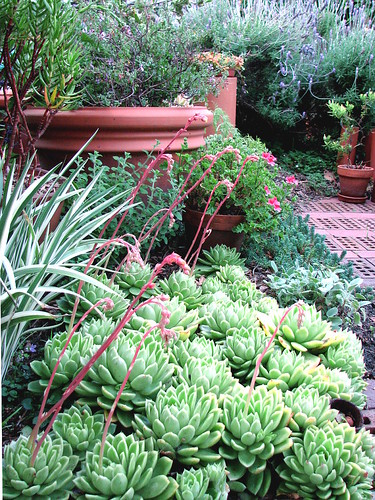
Horticulture may seem very involved and confusing, but with a little bit of research and work, you can get started today. Now that you’ve read through these tips, you are more informed about horticulture, so you can get more from it.
Select plants that will bring a higher profits and yield.
Clay soil is hard and will also stick to a shovel, making it difficult to work with. To ease the digging, apply some car wax or floor wax to the head of the shovel and buff. The wax prevents the clay from sticking to the shovel, and stops rust from forming.
Use both biennials and annuals to beautify your flower beds. You can fill gaps between shrubs and perennials when they are in the sun.Some flowers you can use are rudbekia, hollyhock, sunflower, cosmos, petunia and marigold.
When fall has arrived, you must prepare to plant your favorite fall veggies and other edibles. A hollowed out pumpkin can be used as a festive container for kale and lettuce. Once you’ve cut its top and scooped the insides out, spray the inside and edges with Wilt-Pruf to keep the pumpkin from rotting.
Pre-soak seeds overnight in a dark area. This will allow seeds to be watered and it will cause them to grow faster. This increases the chances of flourishing.
Analyze the soil before you even get started with working in a garden. For a tiny fee, a soil analysis may be done, and based on the results, the soil can support a growing garden by you enriching it as necessary. Cooperative Extension departments often offer this testing service. It is a worthwhile effort so a garden can be productive on the first year of planting.
You can also repel your pet by planting rosemary or placing citrus fruit peels around your garden.
Do not cut your lawn too short. If your grass has more height, the roots will go down deeper into the dirt, helping the grass grow better and remain hydrated. Short grass on the other hand is more prone to getting dried out and turning brown.
Knee Pads
Plant some wheat grass or cat grass near where you car tends to nibble in your garden. Alternatively, you can try putting mothballs, citrus peel or anything else with an odor that cats find distasteful in the soil surrounding the plants.
Get some gardening knee pads if you have low-growing plants. Having a pair of excellent knee pads for gardening can help cushion the knees in comfort.
Do you ever wish that your fresh mint leaves but hate how they quickly grow to take over your garden? You can control their growth by placing them inside a pot or container. If you would like the mint leaves to still be in the ground, you can even place the container in the ground, but the pot’s walls will prevent the mint from spreading and being a nuisance in your garden.
Purchase a wheelbarrow, as well as a wheelbarrow or wagon.Gardening can be very tough on the knees as you spend much time leaning near the ground, so a kneeling stool that is ergonomic and lightweight can make things much more comfortable and enjoyable. Gardening involves moving heavy objects and dirt, so purchasing a wheelbarrow can be a very smart investment.
While you garden, it’s important that you wear the right clothing to protect your skin from the damaging rays of the sun. Pair sunglasses with wide-brimmed hats and a dab of sunblock. Protecting yourself from harmful UV rays means you are less likely to get sunburned or suffer skin cancer later in life.
Bees like it because it gives them nectar in the spring.Heather beds are common grounds for helpful insects such as spiders and ground beetles, which is why helpful little critters like ground beetles and spiders call them home.Keep this in mind and always wear appropriate gardening gloves.
If you are growing plants organically indoors, evaluate the amount of natural light that is present. If your home does not let in sufficient light, choose specimens that can grow in relatively dark places. You could also try using grow-lights for this exact purpose.
Spacing is essential when planning an organic garden. You can underestimate how much space you need until they are growing. Plan your garden carefully and put an appropriate amount of distance between the seeds.
Put coffee ground into your soil. These coffee grounds have many nitrogenous nutrients that your plants could use. Plants need an adequate nitrogen source in order to thrive. Adding coffee grounds, chemical fertilizer, or diluted urea to your soil increases the soil’s nitrogen content and will help to make your plants grow faster, taller and healthier.
Treated Wood
Create raised beds with stone, bricks or untreated wood. Choose wood that is resistant to rot and is untreated. The most popular options for this type of project are cypress, locust and cypress wood. In order to avoid toxic substances from getting into the ground and perhaps into your vegetables, don’t use treated wood since its chemicals can leech into the food crops and soil.If you must use treated wood, line it with a barrier, or some plastic.
Using a soaker hose to water an organic garden is the best choice.
A good way to plant seeds is in containers. Plant them three times as deep as their overall size. However, you should be aware that certain seeds should not be covered at all because they are required to be in the sunlight. Some typical examples are petunias and ageratum. If you do now know how to plant your seed, consult the information that came with the seed when you bought it or check online for helpful information.
This will make organic horticulture made easier! Plan out the landscaping with mainly native bushes, flowers, and bushes! Choose plants that are suitable for your climate conditions, to avoid the need for pesticide or fertilizer. Native plants will thrive if you encourage growth with only natural compost.
Know what to look for when to buy plants for your organic garden. This is evident when buying annuals or annuals. You need to purchase plants that are budded but not in bloom. This ensures that the plant has a better chance of taking root system within your garden.
An effective way of organic gardeners is to raise crops that costs a lot to purchase at the grocery store. The worth of each plant will be different for each person. You could save money by growing pricey plants that are initially more expensive to buy. Plant vegetable plants that you love to eat and enjoy the cost savings.
Garlic is an excellent choice to grow organically. Plant individual garlic cloves early in the spring or fall. They should be planted in well-drained moist soil. Set them four inches apart, approximately one to two inches deep into the soil, with their ends up. You can use the tops of the garlic shoots instead of scallions or chives. You will know when to harvest the garlic, because the tops will gradually turn brown. The bulbs should be dried well by the sun for a few days before storing. Store the cloves in a cool area. They can be tied or left loose.
You should think about digging small trenches between the rows of plants if you are planting an organic garden. This is a good way to save you water and money.
When deciding what to plant in your vegetable garden, consider the kinds of vegetables you use most often; plant those types. This will make your grocery bills and cost-effective. Don’t bother wasting time on growing foods that your family doesn’t enjoy.
Not as difficult as you thought, right? As with many other subjects, there is a ton of advice out there for every aspect of gardening. Sometimes, if you figure out where to begin, it’s easy to “jump right in”. Hopefully, you got this from the tips above.
The ideal way to water your organic garden is with a soaker hose. The water oozes out of the hoses, and it goes directly to the roots of the plants without watering everything around them, including the leaves. A soaker-hose does a better job and is easier than using a sprinkler or watering can.
Horticulture Like A Pro: Organic Gardening Tips

Organic horticulture is known as a hobby of great patience and a green thumb. This is a hobby where the goal is to grow food that is free of pesticides. Easier than it sounds though, right? Read the tips to discover how to begin horticulture like a pro.
Clay is difficult to dig through with a shovel, making it difficult to work with. To make working in clay easier, apply a coat of automobile wax to your shovel first and then buff it lightly. The clay easily slides off of its surface while keeping the end from getting rusty.
There’s no need for chemical intervention if you discover powdery mildew on leaves. A great home remedy is to mix baking soda with water and a little bit of liquid soap. Once a week, spray this solution on your plants and your mildew should disappear in no time. Baking soda will effectively remove the mildew without damaging your plants.
Pre-soak your seeds overnight in a dark place.This will hydrate your seeds and they will get a kick start when growing. The seeds will be better able to survive and blossoming.
You could also repel your pet by planting rosemary or mothballs.
Try “boiling” weeds in your garden with boiling water to get rid of them.Boiling water in a pot is a safe herbicide which won’t damage your garden or your body. Boiling water can hurt the weed roots and will inhibit future growth.
Stinkbugs can be a nuisance in the garden. These bugs are known to be proliferate in the cooler fall months. Stink bugs are attracted to tomatoes, beans and most fruits. If you don’t take care of them, they can decimate your garden, so it’s best to do all you can to get rid of them.
Know the perfect time to harvest the vegetables you plant. Each type of produce has its own prime time frames for harvesting at the peak of flavor. For example, zucchini and baby peas will taste a lot better if you pick them when they are young. Tomatoes, though, should be plucked from the vine the moment they appear ripe.
Choose one plant to be a focal point. The focal points are those plants that really stand out from those that are adjacent.
The warmth of the day can make vegetables soft, making them especially vulnerable to inadvertent damage with even the gentlest picking.
To ensure a healthy garden, make sure you surround your plants with a few inches of good organic mulch. Mulch keeps soil moist for longer periods of time. This also helps reduce the appearance of weeds. This will save you a ton of time and work.
Allow your children to assist with the work to be done in planting your organic garden. A garden can provide a wonderful learning experience for children, and it gives you a chance to bond while producing healthy food.
Preparing a plot for your perennial garden is easy. Use your spade to slice chunks of turf up, then flip each piece over, then spread the area with approximately three inches of wood chips. Let this sit for a couple weeks, then dig it and plan the new perennials.
Do not rush when you plant your seeds.You need to start by moisturizing the soil. Seeds should be buried as deep as three times deeper than their own size. Some seeds you do not be buried at all as they need light in order to grow.
Get a wheelbarrow and a kneeling stool to work in your garden. Gardening can be very tough on the knees as you spend much time leaning near the ground, so a portable stool can make all the difference to your comfort. In addition, maintaining a garden typically means moving around heavy dirt and other objects, which makes buying a wheelbarrow a very smart purchase.
Treated Wood
Create raised beds with stone, bricks or untreated wood. Choose wood that is naturally resistant to rot and does not contain any chemicals. The best varieties include cedar, locust and cedar woods. In order to avoid toxic substances from getting into the ground and perhaps into your vegetables, don’t use treated wood since its chemicals can leech into the food crops and soil. If you have some space treated wood, you can use plastic liners, or a different barrier, be sure to line it with some type of barrier like plastic sheeting.
You can skip watering for an entire day if rain is on the pending weather.
Don’t count the fall season out. That idea is actually far from the truth. In the fall, the foliage displays every color of the rainbow. You can find beautiful maple and beech trees in many different fall colors. When selecting shrubs, consider barberry, hydrangea, or cotoneaster.
This will be organic horticulture made easier! You should plan your landscaping by using native grasses, bushes and grasses.If you chose plants that will thrive well in your environment, you will be less likely to need expensive fertilizers and pesticides. Native plants will thrive with organically made compost.
Use at least 3″ of organic materials to mulch flowers and trees. This aids in environmental conservation and help it retain moisture more efficiently – which should help you serious money on water bills. You can look quite great as well.
Weeds are very hard to get rid of garden you have. This organic weed killer helps keep both you or the environment.
Having a garden of perennials can be an easy and quick process. Simply use a spade or small shovel to get under the grass or turf and flip it over. Then, using wood chips, cover the area to a depth of three or four inches. Wait for a few weeks and plant new perennials in this area.
Compost is incredibly useful in organic gardening, but what is in it? It is usually made up of grass clippings, leaves, fallen leaves, organic waste, straws and twigs. It is recommended that you use this in place of commercial fertilizer on your organic garden.
Know when to buy plants for your organic garden. This is especially true when you buy perennials or perennials. You will need to be sure to get ones that are budded instead of in bloom.This is because they can begin growing stronger roots in the garden.
Be cognizant of when and how to water the plants in your organic garden. A soaker hose would be the best option for watering. Watering during the garden early in the morning is best.
Over-watering plants is counterproductive, as too much water reduces plants’ ability to absorb nutrients from the surrounding soil. Only water as necessary when there is no rain in the forecast, or for plants which need extra watering. You can skip watering for an entire day if rain is on the way.
Use barrels to trap rainwater to use it to hydrate your plants. This will save you a lot of money to water your garden. You will find that is very good for plants.
You should think about digging small channels between the rows of plants if you are planting an organic garden. This will save water and money.
Mulching is one of the effective horticulture tips. Mulching also decreases water evaporation rates in the soil and limit weed growth.
To make sure you have strong seedlings, look deeply. For example, tomato seedlings can develop bad root systems that will result in failed plants. These green starts will prohibit the plants from growing. These starts will suck the resources from your seedlings for several weeks, inhibiting their growth.
Humidity might be needed by certain houseplants. You can create humidity in any environment by grouping different plants together in one pot, or you could also plant it in a bigger pot while filling the gap with stones or compost.Another way to get more humidity for your houseplants is to mist them with water once or twice a day.
Avoid using any cleaners when you clean the vegetables.
Clay Pots
Use a ton of mulch to save on water in your garden. Using mulch will allow the soil to retain humidity more efficiently, and your garden will not have to be watered as frequently. You can use bagged mulch purchased commercially, composted plant materials or shredded wood. Make sure to use a large amount, though.
Rubbing alcohol and vinegar can be used to strip salt deposits off of clay pots. Salt deposits sometimes develop on the exterior of clay pots with plants in them. Mix equal parts of water, water and white vinegar, and spray the combination on the pot.
Organic gardening is a hobby incorporating nature, hard work and patience. It’s an activity that lets you get in touch with nature while growing something very tasty. Follow the tips and put in the needed effort, and you will be a successful organic gardener.
Horticulture Can Be Easy With These Tips

Does the grass is greener when you look to the other side?You may believe that your neighbor is employing a secret about having such a perfect garden. The reality is that many people know how to get a beautiful garden. All you need is the knowledge about how to take care of your plants the right way. You can start your search for information by checking out the advice given about gardening in this article.
Your plants need to adapt and must be gradually introduced to changes of environment. Put them in the sun for approximately one to two hours during the very first day. Over one week, try gradually increasing the time they’re left outside. After a few more days, the plants should be fine staying outside.
Clay is difficult to dig through with a shovel, as it is sticky and compact. Try applying a coat of wax onto your spade prior to working with clay soil, and then buff the spade head with a cloth. Not only will the clay slide off the surface, but it will keep the end from rusting.
This boosts the chances of the plants can survive to adulthood. This also reduces the waiting time between planting cycles. Your next crop of seedlings will be ready to be planted when you remove your last crop from the garden.
Having healthy soil in your garden is your plants avoid insect pests. Healthy plants are naturally more able to resist both pests and disease. To boost your garden’s prospects of giving you the healthiest possible plants, start with a high-quality soil that has fewer chemicals which over time will accumulate salts.
Transfer your favorite plants inside so they survive the winter frosts.You should probably save your most resistant or expensive plants. Dig the plant up without damaging the roots carefully before transferring to a pot.
Take the time to remove weeds. Weeds can take a promising garden and turn it into a shell of its potential. You might want to think about using white vinegar to do this. You can use white vinegar to eliminate weeds! Keep a solution of vinegar diluted with water on hand to spray on weeds.
Pick the correct soil in order to get the best outcome. You can also make an artificial area with one kind of soil.
Pre-soak your seeds overnight in a dark area. This will hydrate your seeds and jump-starts their growth. The seeds will most likely have a greater chance of maturing and grow up.
You could also try to offend the cats sense of smell with orange rinds or placing citrus fruit peels around your garden.
If the soil in your garden has a high concentration of alkaline, try mixing some coffee grounds into your garden’s soil. This affordable trick will give back the acid that your dirt requires. This solution will make the vegetables you grow healthier and more flavorful.
Mint Leaves
Do you love fresh mint leaves but hate how they grow so fast and take over your entire garden? You can control their growth of the mint leaves by growing them into a large container rather than in your garden. You can plant the container into the soil if you want to, but the walls of the container will hold the roots captive, and make sure that the plant doesn’t run rampant in your garden.
You can keep pests using other plants or natural materials. Slugs are repelled by bordering your vegetable garden with a patch of marigolds or marigolds. Using these methods eliminates your need for potentially harmful chemical pesticides.
Gardening should be a relaxing activity. Many methods of relaxation can be employed to lead a peaceful life. One of the best ways to do this is gardening. Gardening only requires a small investment and you will get so much more out of it. Perhaps the most rewarding aspect is the sense of peace and calm that comes from nurturing your plants.
Know the perfect time to harvest each of the vegetables you plant. Each type of produce has unique time frames for harvesting. For instance, zucchini and baby peas are best picked young. Tomatoes, though, taste better the longer they are allowed to ripen on the vine.
Gardening should be a great relaxation activity.There are countless ways that people find peace and relaxation on a personal level. Gardening is one of the easiest ways to spend your extra time. It requires a large start-up cost and yields many returns. The best thing you will get out of it is peace and growing greens on your own.
It’s simple to quickly prepare your soil for the planting of a new perennial garden. Use a spade to dig into the turf, turn the turf over, and spread wood chips on top to a depth of four inches. Wait two weeks, and then you are ready to jump right in with digging and planting.
While you garden, it’s important that you wear the right clothing to protect your skin from the damaging rays of the sun. Put on some sunglasses, sunscreen and a wide-brimmed hat. Protecting yourself from the sun will lower the possibility of sunburn and skin cancer.
Keep your garden tools handy to work more efficiently.
Have some plastic bags on hand so that you may cover your gardening shoes.
Treated Wood
It can be easy to prepare the soil in a perennial garden. Turn over the soil in your garden so it will be soft and easy to plant before spreading wood chips around your garden. Wait for a few weeks and plant new perennials in this area.
Create a raised bed for your garden out of stone, brick or untreated wood. Choose a wood that is resistant to rot and is untreated. The most popular options for this type of project are cypress, locust and cypress wood. In order to avoid toxic substances from getting into the ground and perhaps into your vegetables, don’t use treated wood since its chemicals can leech into the food crops and soil. If you have some space treated wood, you can use plastic liners, however, be sure to line it with some type of barrier like plastic sheeting.
The advice in this article is fairly simple and pretty easy to follow. Use the things that you have learned here to help you make your garden better. Focus on the reaction of the plants to your methods. If one thing doesn’t work, try another. Have patience, and before you know it, your neighbors will be jealous of your garden.
Top Succulents To Create A Colorful Garden

Horticulture is much more than decorating. It is also more than just something people with green thumbs! The effects can be especially profound if you’re good at it.
This increases the chance that the plants growing until adulthood. This method also helps tighten time between planting cycles. Your seedlings will be ready to be planted when you remove your last crop from the garden.
Put sod down the right way. Start by preparing your soil with care. Be sure to get rid of any weeds, and then proceed to break up the soil to get it ready to use. The next step is compacting your soil and carefully leveling it. The soil should be adequately moistened. Lay the sod in straight rows, ensuring the seams meet perfectly. You want the sod to end up as a flat and even surface. If there are any gaps in between the sod pieces, then you can fill these in with some soil. Keep the sod moist and avoid walking on it until it is well-rooted, usually two to three weeks.
Pick the correct soil to get the best outcome. You can also be able to design an artificial area with one variety of soil.
Be diligent in your garden.Weeds can destroy a once promising garden to become overgrown and take away all its potential. White vinegar is a natural herbicide. White vinegar will definitely kill those pesky weeds. If you’re annoyed with pulling up weeds manually, make a white vinegar solution and keep it handy for a quick spray when needed.
When it’s autumn, you need to plant autumn edibles. A pumpkin can become a festive container for kale and lettuce. Once you cut an opening at the top of the pumpkin and scoop out the insides, spray the edges and inside with Wilt-Pruf to prevent rotting.
Cover the fences and walls with climbers. Climbing plants are great for hiding hideous fences and walls, and they usually grow within a season. They can cover an arbor, or grow through trees and shrubs. Some of these plants must have support, and some can attach themselves to something using their stems and tendrils. Wisteria, jasmine, honeysuckle, clematis and some rose varieties are good choices for climbers.
Coffee Grounds
If your soil is highly alkaline, take used coffee grounds and mix them thoroughly with your soil. Coffee grounds contain plenty of acid to get the soil so that it is pH-balanced. This solution will make the vegetables that taste better and more appealing.
Purchase a wheelbarrow, as well as a wheelbarrow or wagon. Horticulture can be very tough on the knees as you spend much time leaning near the ground, but a small ergonomic stool will be a comfortable solution. Horticulture also requires transporting heavy objects and lots of dirt, so a wheelbarrow makes for a wise investment.
As fall arrives, it is the time to prepare for planting fall edibles. This year, instead of using your regular clay pots to plant your kale and lettuce, use a pumpkin as the container instead! Once you’ve cut its top and scooped the insides out, spray the edges and inside with Wilt-Pruf to prevent rotting. After you have finished this, you will be ready to start planting.
Use smarts when watering the garden. Use a soaker hose to save time so that you do not have to water each plant individually with a hose nozzle, so the garden can get watered while you are doing other tasks. Keep the water pressure on your hose low so you don’t harm fragile plants. Let your soaker hose run for a while you do other things.
Using plants that all grow to the same height result in a flat and uniform looking bed.
It is essential to keep your knees protected as you are horticulture. Many people find it difficult to bend over for extended periods of time while they are standing up. Kneeling down on the ground is a more comfortable way to reach your plants without causing stress to your back. You can pick up a knee pad for you to rest on so that your knees are at ease on the pain.
Do you love fresh mint leaves but hate how they quickly grow to take over your garden? Stunt their growth a little by planting your mint into a garden container or large pot instead. Plant the container in the ground, but its walls will hold those roots captive, and will prevent the plant from engulfing your garden!
This also gives your flowers appear beautiful and finished all year long.
Have plastic bags on hand so that you may cover your horticulture shoes.
Some common examples include ageratum and ageratum. If you’re not sure, the resources are often provided along with the seeds, or you can find this information online.
Gardening helps with relaxation. There are a variety of ways to achieve a state of inner peace. Gardening is fun, and it is definitely one of the best ways to achieve this state. Without too much effort, you can enjoy great returns. Perhaps the most rewarding aspect is the sense of peace and calm that comes from nurturing your plants.
Treated Wood
Create raised beds with stone, bricks or untreated wood. Choose wood that is resistant to rot and is untreated. Some great choices to choose from are cedar, cedar and cypress. In a veggie garden, avoid using treated wood to enclose or demarcate different sections of your vegetable garden.If you have to use treated wood, line it with some plastic and replace the soil near it.
While organic horticulture takes a little extra work, the rewards are much better. While chemical pesticides and fertilizers may claim to do great things for your garden, growing organically is the most rewarding option for you and those who consume your crops.
As you are working in your garden, you must take care to protect both knees. Many people find it difficult to bend over for extended periods of time when standing up. If you have trouble with this, kneel instead of bending while gardening. You can get a knee pad to place on the ground to kneel on so that you do not feel pain in your knees.
The best option available to water your organic garden is with a soaker hose.
Apply the tips from above to bring new life to your garden. The joy of watching your plants grow and blossom will make you happy to have tried. Gardening can work wonders on a hectic and stressful lifestyle, and provide many benefits to just about anyone willing to work at it, so get outside and enjoy.